

 Hollister, CA · Sales
Why is selling different in Hollister, California?
Selling in Hollister requires direct outreach to owner-operators who demand plain pricing, single-point accountability, and word-of-mouth validation over corporate pitch decks
Direct Ownership Replaces Corporate Committee Structures
Selling in Hollister requires an approach built for direct decision-makers. The local market does not rely on multi-tier procurement departments, corporate buying committees, or external consultancies. Commercial purchasing decisions rest almost entirely with the individuals who own and run the business.
The commercial ecosystem in Hollister is driven by owner-operators across key sectors. These include agriculture and specialty crops, wine production, light manufacturing, construction and trades, local retail and services, and logistics along Highway 25. When pitching a small precision manufacturer or a packing facility, your primary meeting is with the owner.
Owner-operators evaluate proposals differently than corporate department heads. They do not care about trendy software terminology or complex product roadmaps. They care about bottom-line impact, risk management, and clarity. When sales representatives introduce long discovery sequences, multi-slide pitch decks, or multi-layered approval steps, momentum stalls.
Owners want plain pricing on the first or second meeting. Hiding costs behind custom quote requests or multi-tiered enterprise licensing creates immediate friction. If an owner senses that a sales process is needlessly complicated, they will disengage and hire a competitor who offers clear terms. To succeed in Hollister, you must shorten your presentation, eliminate corporate jargon, and present straightforward solutions immediately.
The Dual-Track Market Structure
Navigating Hollister effectively requires recognizing the distinct division between public institutions and private commercial operations. Selling to these two segments requires completely different account strategies.
The institutional base is anchored by major employers:
- San Benito County government
- Hollister School District
- Hazel Hawkins Memorial Hospital
Selling to these organizations involves clear administrative steps, public oversight, and formal evaluation criteria. Deal timelines in this space move according to institutional planning cycles and public budget approvals.
In contrast, the private sector consists of local growers and packers, wineries, small precision manufacturers, logistics operators along Highway 25, and construction and trades contractors. These buyers make purchasing decisions quickly when presented with real value. They do not want formal executive presentations. They want to know how your product or service prevents operational downtime, protects their margin, or streamlines their daily workload.
If you bring an institutional sales process to an owner-operator in agriculture or specialty crops, you will lose the deal. A local packer or wine producer wants direct answers from a single accountable person. If you bring an informal pitch to an institutional buyer like Hazel Hawkins Memorial Hospital, you will fail the vendor screening process. Segment your pipeline clearly between public bodies and private operators before launching your outreach.
Local Reputations and Word-of-Mouth Validation
Hollister maintains a tight-knit business community. Local business owners, growers, and trade contractors trade notes regularly. They frequent the same handful of local spots across town to discuss vendor performance, supplier reliability, and operational challenges.
Because news travels quickly through these informal networks, reputation acts as your strongest sales asset or your greatest obstacle. If a sales representative makes promises during the deal process but disappears after the contract is signed, that failure is shared across local industry groups. A single poor experience can close doors across an entire vertical, whether in wine production, construction and trades, or light manufacturing.
Conversely, proving reliability creates immediate referral momentum. When an owner-operator sees that a vendor delivers plain pricing, honors agreements, and provides direct support, they recommend that vendor to peer operators.
Buyers in Hollister look for proof that you will stick around. They evaluate your firm on post-sale accessibility. They want to know who will handle their account when an urgent issue arises. Demonstrating long-term reliability carries far more weight in this market than brand awareness or high-volume cold outreach.
Adjusting Your Sales Process for Local Expectations
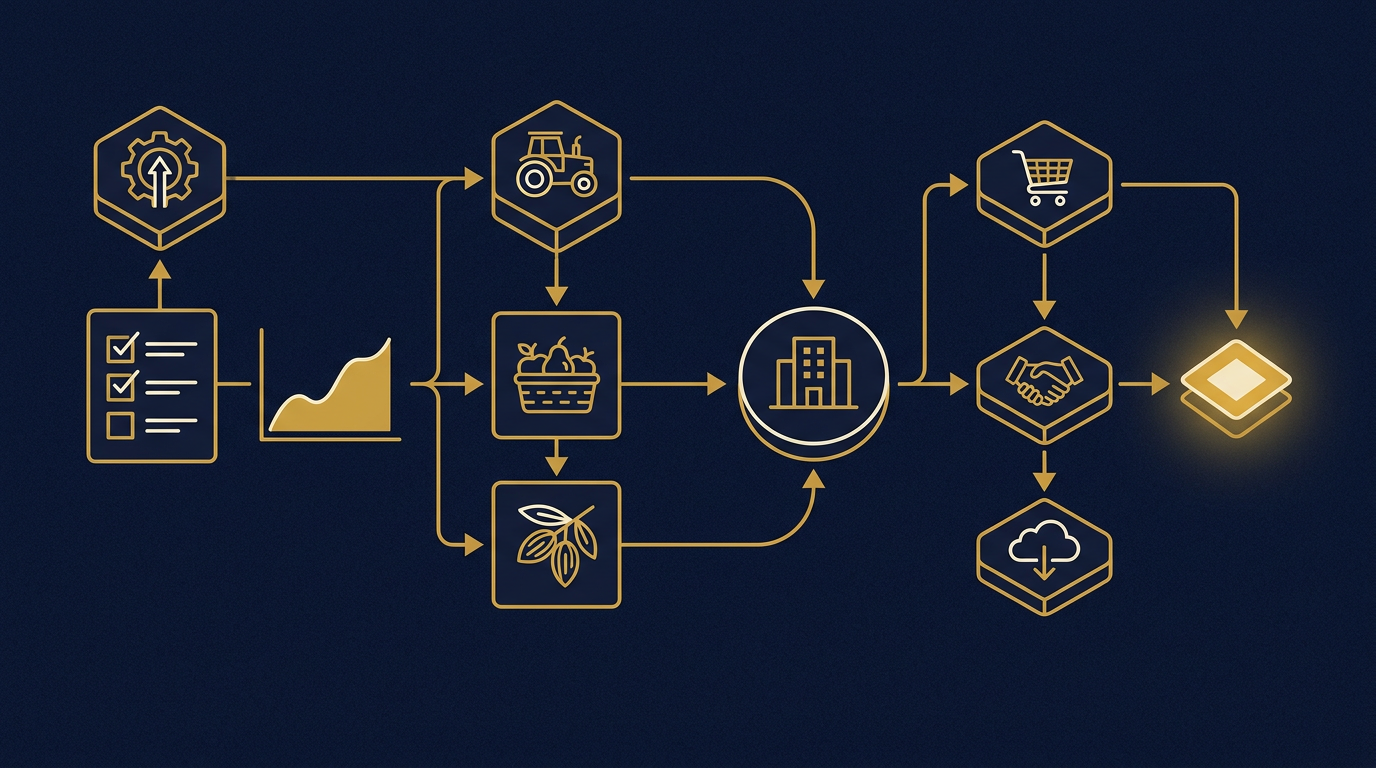
To build a consistent pipeline in Hollister, realign your sales process to match the buying habits of local owners. Remove unnecessary administrative steps and focus on direct, transparent execution.
Follow these tactical rules when managing accounts in this market:
- Present complete pricing early, detailing all service, delivery, and onboarding costs without hidden fees
- Assign a specific, named account representative to every account to guarantee post-sale accountability
- Provide reference points from local industries, such as agriculture, wine production, or logistics, to build immediate credibility
- Differentiate your sales collateral between institutional targets like San Benito County government and private commercial business owners
- Replace automated email nurture campaigns with direct phone conversations and scheduled in-person site visits
When meeting with a local business owner, open the conversation by addressing operational reality. If you are selling to a logistics company along Highway 25 or a precision manufacturing plant, walk the facility if invited. Learn how their operation runs. Highlight how your offering fits into their daily workflow without creating extra administrative work for their staff.
Tactical Execution for Account Executives
Account executives operating in Hollister must master direct communication. Do not hide behind long email threads or generic calendar scheduling links. Call prospects directly, state your business clearly, and focus on practical outcomes.
When pitching local growers and packers or specialty crop producers, align your sales timeline with operational demands. These businesses operate on tight production schedules. Respect their seasonal time constraints. Keep initial discussions focused on concrete efficiencies, operational uptime, and straightforward cost structures.
When closing deals with local trade contractors, light manufacturers, or wine producers, deliver simple contracts. Complex legal language and aggressive multi-year locking mechanisms raise red flags for owner-operators. Keep agreements plain, clear, and easy to review.
Finally, fulfill every promise made during the sales cycle. In Hollister, your post-sale service is your next sales pitch. Satisfied owners will introduce you to other local business operators, while broken promises will isolate your brand across the market.