

 Hollister, CA · Systems
Why do sales systems work differently in Hollister, California?
Sales systems fail in Hollister when built for multi-tiered corporate procurement. Pipelines here must adapt to owner-operator decision cycles, seasonal windows, and mandatory in-person site visits.
Local Buying Calendars Dictate Pipeline Velocity
Standard sales tracking software assumes an enterprise buying environment where decisions move across uniform corporate quarters. In Hollister, California, applying a static ninety-day sales cycle distorts pipeline accuracy. The commercial landscape consists of small-business operators, municipal institutions, local growers and packers, and specialized industrial facilities. Your sales management system must map directly to local operational cycles, public budget deadlines, and seasonal activity windows rather than arbitrary calendar quarters.
Major institutional buyers like San Benito County government, Hollister School District, and Hazel Hawkins Memorial Hospital operate under structured public funding and board approval schedules. Winning contracts with these employers requires long-lead tracking that aligns with fiscal year rollouts and procurement windows. Conversely, commercial buyers move on distinct operational schedules. Local growers and packers evaluate capital expenditure, equipment upgrades, and software services outside active harvesting and packing runs. Precision manufacturers calibrate operational outlays during planned maintenance windows.
Community events and local tourism cycles also influence when business owners are available to meet. Regional movement shifts during the Pinnacles hiking season, the weekly Saturday farmers market, the San Benito County Fair, and dates historically connected to the Hollister Motorcycle Rally. During high-volume operational periods, owners focus exclusively on daily execution, inventory management, and staffing. Pitching new services or forcing closing conversations during these peak periods generates high friction and lost opportunities. Your CRM pipeline must incorporate custom seasonality tags so account managers execute targeted outreach when decision-makers have time to evaluate new proposals.
Physical Cadences Replace Automated Email Sequences
Corporate sales manuals emphasize automated email sequences, social media messaging, and digital prospect tracking. In Hollister, heavy reliance on automated outreach damages account relationships. Business owners expect vendors to show up in person. An automated sequence that fires off six generic marketing emails over two weeks signals that a vendor does not understand how local business operates.
Sales engines in this region must center daily rep task queues on physical site visits and direct phone outreach. Owners running precision manufacturing plants, agricultural packing houses, or downtown commercial businesses will not complete multi-step online discovery forms. They evaluate vendor competence based on face-to-face interactions, product knowledge, and personal accountability.
Sales territory design and CRM activity rules must support field operations. Rather than measuring success by email open rates or link clicks, track face-to-face contact, verified meetings with business owners, and on-site follow-ups. Ensure your mobile sales tools allow reps to log physical visits, upload site photos, record immediate buyer feedback, and schedule immediate follow-up tasks while standing on location. Relying on remote activity metrics leads to empty pipelines and inaccurate forecasts.
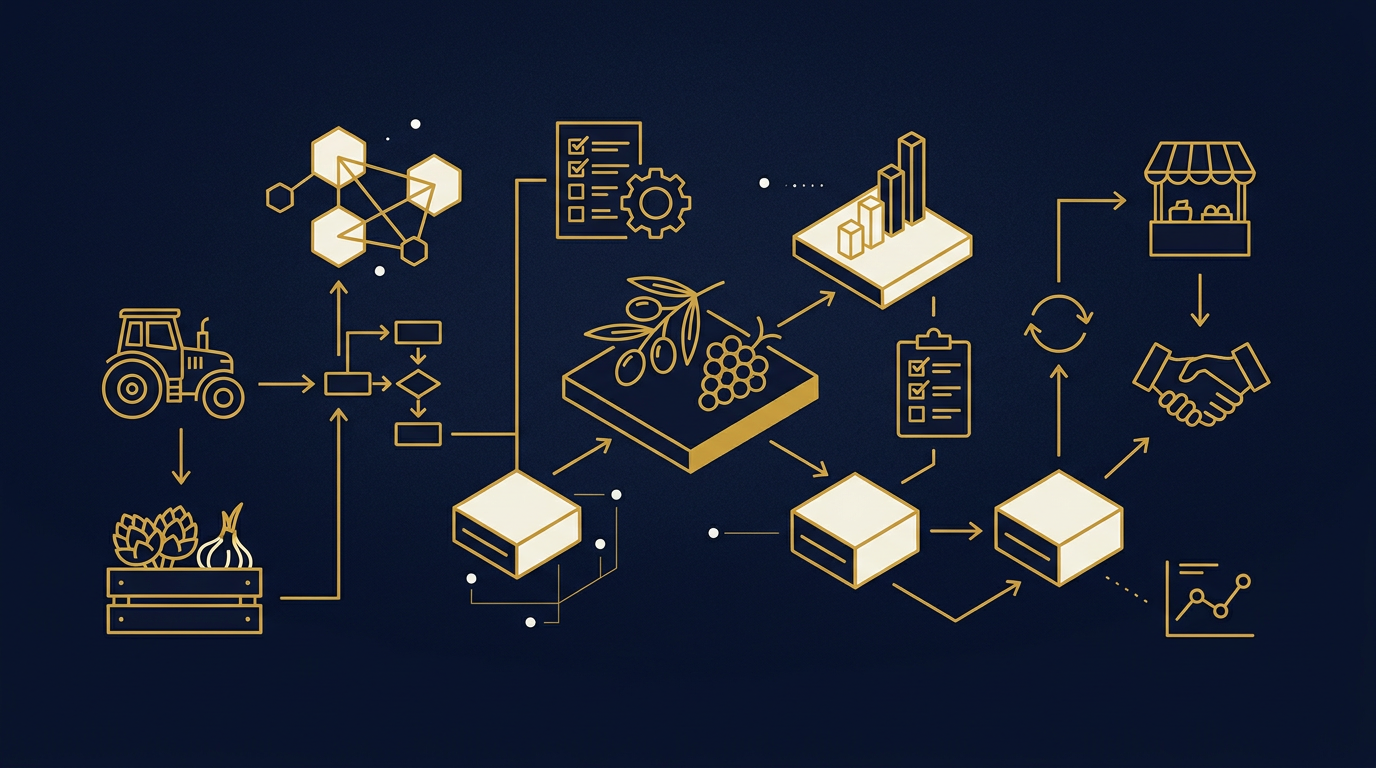
Streamlining Stages for Single-Conversation Closures
Enterprise CRM templates build in multi-layered deal funnels that include discovery calls, technical evaluations, legal redlining, and executive committee sign-offs. This framework fails in a market built on owner-operator leadership. In Hollister, the individual who evaluates your proposal is usually the individual who signs the contract and pays the invoice. Decisions are made quickly, often in a single structured conversation.
When your pipeline requires reps to move deals through mandatory corporate review stages, it creates artificial drag and corrupts pipeline metrics. Deals sit in early stages on paper even after an owner has provided a verbal commitment. Alternatively, reps waste time preparing elaborate slide decks or multi-page formal presentations when the owner simply wants straightforward terms, clear pricing, and a guaranteed implementation date.
Configure your CRM to reflect a concise three-stage deal framework:
- Qualification and Field Contact: Verifying owner availability, evaluating operational fit, and confirming project timing
- In-Person Presentation: Delivering pricing, contract scope, and service commitments directly to the owner in a single meeting
- Agreement and Onboarding: Securing authorization and initiating delivery immediately
Removing multi-tier administrative stages provides management with realistic pipeline velocity metrics and allows reps to focus on high-value face-to-face sales activities.
Concrete Steps to Reconfigure Your Sales Engine
To rebuild your sales engine for the Hollister commercial environment, execute these specific system updates in your CRM and field workflows immediately.
First, adjust account classification and data fields inside your database. Replace generic industry filters with specific regional account classifications, such as public sector, healthcare, agricultural packing, precision manufacturing, and local retail. Create custom date fields to track operational blackout windows, including harvest cycles for local growers and packers and peak traffic periods tied to the Pinnacles hiking season.
Second, restructure your daily task automation and rep activity targets:
- Disable automated email drip sequences for all regional target accounts
- Mandate a completed physical site visit before any account can advance beyond the initial qualification stage
- Set automated system alerts that require reps to make a phone call or physical visit within forty-eight hours of delivering a proposal
- Review deal duration metrics weekly to ensure opportunities transition immediately from proposal to close without artificial administrative delays
Third, upgrade your field enablement repository. Provide sales reps with concise, single-page pricing sheets, simplified contract agreements, and clear implementation timelines that can be reviewed and executed during an on-site visit. Equipping your sales team to answer questions and finalize contracts in person eliminates post-meeting delays and secures buyer commitment while interest is high.