

 Bakersfield, CA · Sales
Why is selling different in Bakersfield, California?
Selling in Bakersfield differs because commercial buying centers on regulatory mandates, water resources, and field compliance rather than standard quarterly cycles
Selling in Bakersfield is different because buying decisions here follow operational site demands, water availability, and state compliance mandates rather than traditional corporate fiscal quarters. Sales representatives accustomed to closing deals based on artificial end-of-quarter discount deadlines fail in this market. The commercial sector in Kern County prioritizes risk mitigation, direct operational savings, and strict regulatory compliance. If your product or service cannot withstand scrutiny from field operators, compliance managers, or public sector administrators, your deal will stall.
Regulatory Mandates and Water Drive Purchasing Cycles
Standard sales playbooks assume that commercial buyers operate on predictable budget cycles. In Bakersfield, major capital allocations and operating expenditures align with regulatory approvals and resource availability. The local economy is driven by heavy industries, including oil and gas production, agriculture, renewable energy, and logistics and distribution. Companies operating in these spaces do not release capital simply because a vendor reaches the end of a financial quarter.
Agricultural producers, such as Grimmway Farms and Bolthouse Farms, manage purchasing decisions around water availability, regulatory constraints, and harvest schedules. Crop growers focusing on almonds, grapes, and carrots must account for state water regulations and environmental oversight before committing funds to capital equipment, technology, or contract services. A sales rep attempting to force a contract signature ahead of an arbitrary deadline ignores the primary financial pressures facing these operators.
Similarly, energy sector buyers at Chevron and Aera Energy operations structure their procurement around strict state environmental regulations and long-term project viability. Renewable energy operations, including wind and solar facilities, operate under similar regulatory oversight. These organizations evaluate vendors based on how well a proposal ensures operational continuity and satisfies state compliance requirements. To win deals with these organizations, your sales strategy must align with their operational and regulatory calendars.
Overcoming Site-First Skepticism
Buyers across Kern County display deep skepticism toward sales representatives who rely on generic corporate pitch decks and distant virtual presentations. Local decision-makers expect account managers to understand the physical realities of their job sites, production plants, and field operations. If you have never set foot on an active site, local buyers will assume you do not understand their operational risk.
This site-first mindset extends across multiple sectors, from logistics and distribution facilities near major transit corridors to aerospace testing in the Mojave corridor. Whether you are dealing with industrial site managers, fleet directors, or facility managers at Dignity Health Memorial Hospital, buyers expect you to speak plainly about cost and compliance. They value direct answers regarding installation friction, maintenance requirements, safety protocols, and operational downtime.
To establish credibility, sales professionals must abandon polished corporate marketing language in favor of clear, direct statements. You must explain precisely:
- How your offer fits into existing field workflows without disrupting daily production
- What specific compliance regulations your solution addresses or satisfies
- The exact total cost structure, including ongoing maintenance, operational expenses, and potential integration hurdles
- How your team handles field support, unexpected equipment failures, or compliance audits
If a proposal conceals potential hidden fees or fails to address practical field execution, site managers will reject the offer. In this market, plain speaking about cost and compliance builds more trust than high-level strategic promises.
Navigating Heavy Industry and Institutional Buying Committees
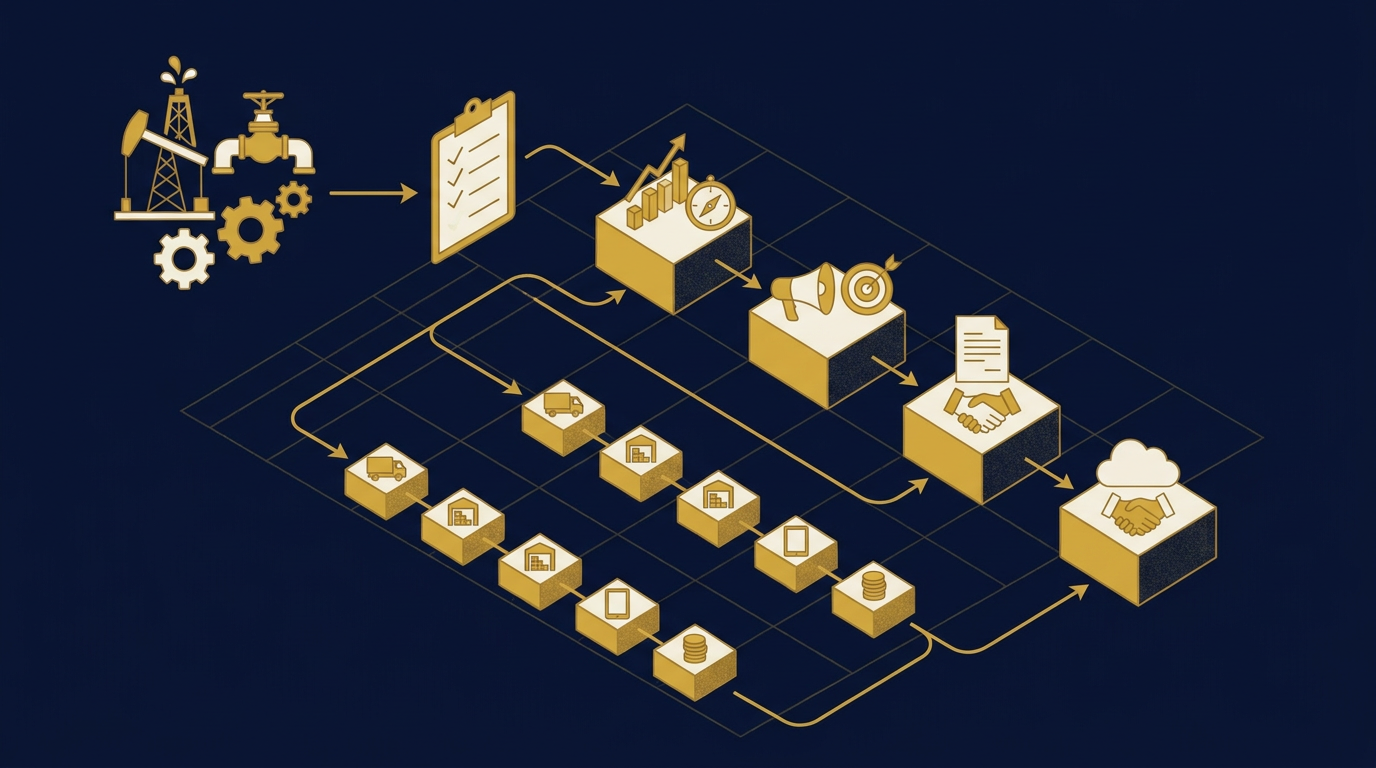
Closing major accounts in Bakersfield requires managing multi-stakeholder approval processes. High-volume employers across the region operate structured procurement pipelines designed to isolate financial and regulatory risk. Selling to major public entities, such as Kern County government or the Kern High School District, involves formal public oversight, board approvals, and strict compliance checks.
Private sector giants follow equally rigorous internal review processes. A deal with Amazon fulfillment, Bolthouse Farms, or Chevron involves input from environmental health and safety managers, site operations leads, procurement specialists, and financial officers. Each stakeholder evaluates your proposal through a distinct professional filter:
- Operations leads evaluate physical footprint, ease of integration, and daily worker safety
- Safety and compliance managers assess alignment with California environmental and workplace regulations
- Procurement and finance officers analyze direct cost structures, total cost of ownership, and contract terms
If you pitch only to executive management while ignoring field operators or compliance officers, your deal will lose momentum. A successful sales process requires engaging each level of the buying committee with specific details relevant to their role. You must provide compliance officers with hard documentation, operational leads with real-world deployment details, and financial leaders with predictable cost models.
How to Restructure Your Sales Execution in Bakersfield
To build a high-performing sales operation in Bakersfield, you must adjust your sales process to match local buyer expectations and operational realities. Implement these adjustments immediately across your sales team:
First, eliminate quarter-end pressure tactics from your sales cadence. Reframe deal urgency around upcoming regulatory deadlines, planned maintenance shut-downs, or operational cycles specific to the prospect's industry.
Second, mandate site visits early in your discovery process. Require your account managers to tour physical facilities, farmlands, energy sites, or healthcare campuses before presenting a formal proposal. Use those visits to gather detailed observations about field conditions, existing equipment, and potential operational bottlenecks.
Third, build clear compliance and cost tracking into every sales deck and proposal. Highlight exact regulatory standards your solution satisfies, and outline all recurring and non-recurring expenses up front. Avoid vague estimates or unbundled service fees that create unexpected costs later.
Fourth, equip your sales team with practical technical documentation that field operators and safety directors can easily review. Provide clear spec sheets, safety protocol documentation, and plain-language operational outlines that lower committee friction.
Finally, establish direct support protocols and quick-response communication channels. Show potential buyers that your service team can deliver rapid, direct operational support whenever site issues arise.