

 Hollister, CA · Sales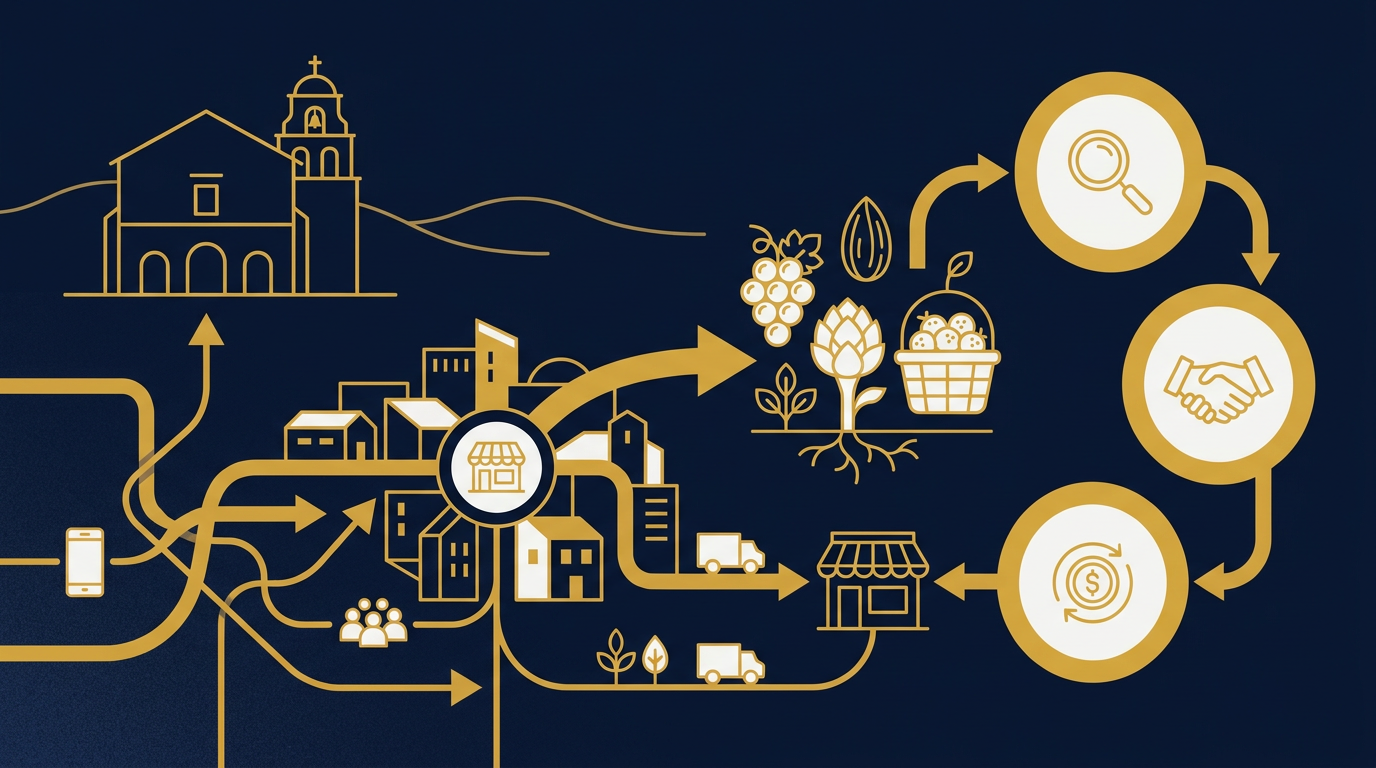
What makes buyers in Hollister, California different?
Hollister buyers are owner-operators who make purchasing decisions directly without procurement committees. They value physical presence, transparent pricing, and immediate personal accountability.
The Single-Conversation Decision Process
Buyers in Hollister, California operate without the buffer of procurement departments, buying committees, or corporate legal teams. Purchasing decisions in this market belong directly to business owners, managing partners, and working operators. When you pitch a product or service in Hollister, you are talking to the individual who writes the check, manages daily operations, and absorbs the financial risk of every vendor commitment.
This structural reality creates a distinct buying environment. A transaction that takes four months and six presentation rounds in a corporate market can happen here in a single, short conversation. However, that speed relies on complete clarity. An owner-operator does not evaluate software features, equipment leases, or professional services through abstract ROI calculators or branded slide decks. They evaluate vendors by asking three core questions:
- Who is standing in front of me?
- What is the final price without hidden fees?
- Will this person answer the phone six months from today?
If a sales representative cannot answer those questions clearly in the initial meeting, the deal ends immediately. Sellers accustomed to enterprise sales cycles often misread this environment. They mistake a lack of formal procurement software for a lack of commercial sophistication. In reality, Hollister buyers run tight, lean operations where wasted time directly harms daily production.
The market blends deep agricultural roots, long-standing farming families, family business traditions, and a growing Bay Area commuter reality. Long-standing farming families who have worked San Benito County land for generations set a commercial tone centered on personal accountability. Parallel to agricultural operations, local Latino family businesses and service enterprises run on direct trust, clear communication, and practical utility. Even as commuter patterns connect the city to surrounding technology hubs, the commercial mindset remains firmly rural. Buying decisions reflect a preference for direct, face-to-face relationships over distant vendor portals.
How Word of Mouth Functions Across Local Outlets
In major corporate markets, a failed vendor engagement disappears into accounting files. In Hollister, vendor behavior becomes public knowledge across local commercial networks.
Business owners, agricultural managers, and trade contractors trade notes constantly at the same handful of local spots. A vendor who delivers on their promises gains quiet, steady referrals throughout the community. A vendor who fails to deliver, hides pricing, or disappears after receiving payment is named, discussed, and systematically avoided by other local operators.
Trust in this market is earned through three explicit actions:
- Physical presence. Showing up in person matters more than sending a polished email sequence. An owner-operator wants to look a seller in the eye on their own job site, shop floor, or office. Sending a remote calendar invite instead of visiting the business site signals that a rep is unwilling to invest real effort in the relationship.
- Transparent, itemized pricing. Vague proposals with hidden service fees, ambiguous implementation charges, or conditional discounts raise immediate alarms. Hollister buyers expect a simple cost breakdown that shows the exact financial commitment upfront.
- Proof of long-term presence. Buyers fear vendors who view the area as a temporary sales territory to hit a quarterly quota before abandoning the customer. Demonstrating that your company will provide continuous, reliable service after the contract signing is essential to closing a deal.
Conversely, specific sales behaviors guarantee immediate dismissal. Presenting corporate buzzwords, attempting to force a multi-stage discovery process onto a busy owner, or dodging direct questions about past operational failures will end the conversation. Buyers here have zero patience for posturing. If a rep appears evasive or over-promotes product capabilities beyond reality, the owner will end the meeting and decline future contact.
Cultural Foundations Dictate Vendor Evaluation
Understanding the local commercial landscape requires recognizing how culture shapes vendor selection. Hollister combines agricultural heritage, a distinct motorcycle rally history, and an expanding residential base linked to Bay Area employment centers. This combination creates a business community that values independence, self-reliance, and direct speech.
Long-standing farming families evaluate vendors through operational resilience. They manage businesses subject to weather unpredictability, labor demands, and shifting market prices. When an agricultural operator evaluates an equipment supplier, logistics provider, or software vendor, they look for simplicity and durability. A solution that requires extensive training downtime or delicate maintenance schedules is a liability. They want tools and services that integrate cleanly into existing routines without disrupting harvest cycles or day-to-day work.
Strong Latino family businesses represent another vital pillar of the local commercial economy. These enterprises often span multiple generations or involve multiple family members managing daily operations. Decisions in these companies prioritize long-term stability and mutual respect. A sales rep who treats the interaction as a purely transactional event will struggle to build rapport. Building a business relationship requires showing genuine respect for the owner's time, honoring commitments precisely, and maintaining consistent personal contact.
The presence of Bay Area commuters has expanded the local economy, but it has not changed the fundamental rules of local commerce. While residents may commute to technology or professional jobs in surrounding counties, local commercial purchasing remains anchored in rural identity. Business owners do not adopt Silicon Valley buying habits simply because the region borders high-tech corridors. They maintain a practical, grounded approach to spending money. They value personal relationships, direct accountability, and tangible utility over speculative promises.
Concrete Steps for Pitching in the Local Market
If you are selling to business owners in Hollister, discard standard enterprise sales playbooks. Rebuild your sales process to match the pace, transparency, and personal accountability this market requires.
When preparing to meet an owner-operator in Hollister, take these concrete steps:
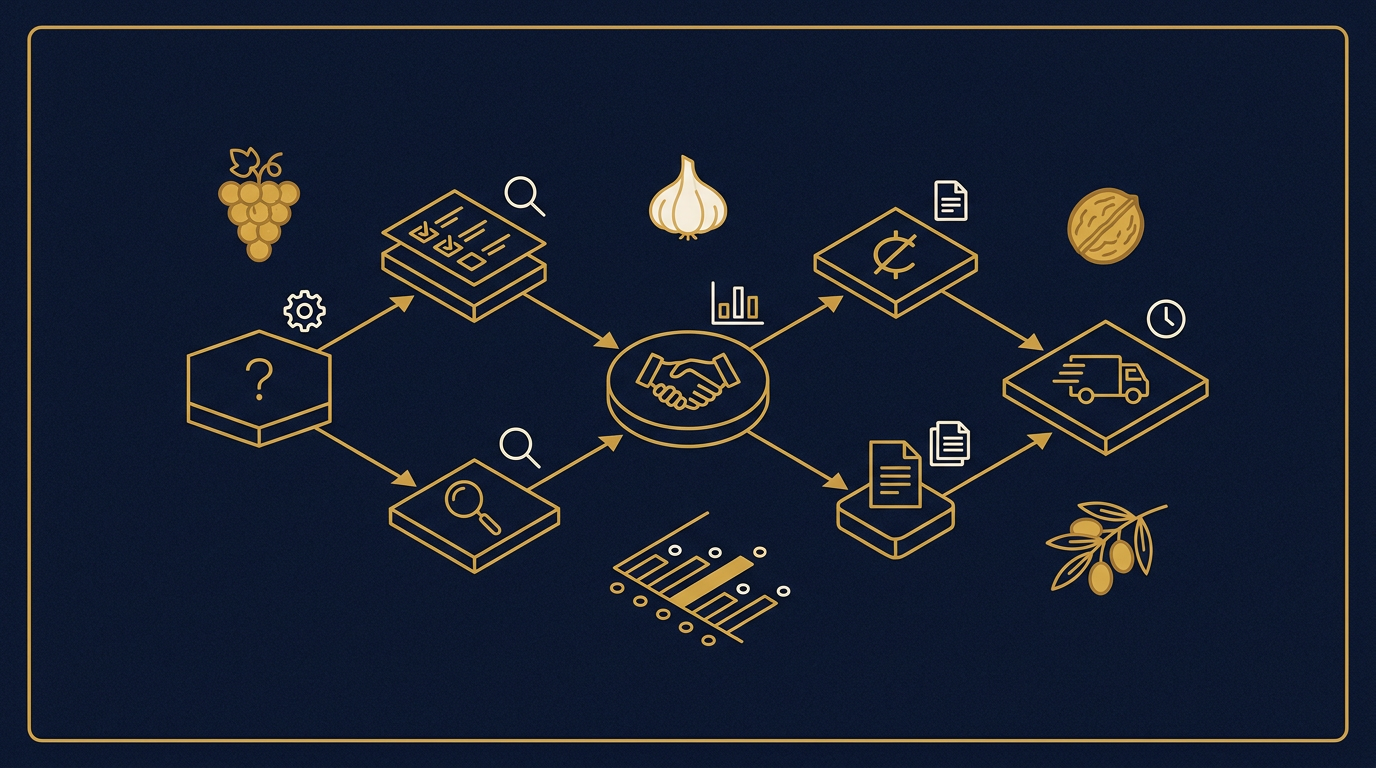
- Eliminate multi-page presentation decks. Bring a single-page overview that outlines the service, the exact pricing structure, and the exact implementation timeline. Hand it directly to the owner.
- Conduct initial meetings on the buyer's premises. Travel to their farm, shop, retail store, or office. Observe their operational setup firsthand before offering solutions.
- State your pricing within the first ten minutes. Do not hide costs behind a drawn-out discovery process. Give direct figures and explain clearly what is included and what is excluded.
- Provide concrete proof of service reliability. Name specific operational guarantees, clear support terms, and direct phone lines for post-sale assistance
- Follow up with a brief written summary. Send a short, clear message confirming what was agreed upon in person. Do not flood their inbox with automated marketing drips or generic newsletter subscriptions.
Selling successfully in Hollister requires adapting to an owner-operator cadence. Respect the buyer's time, communicate without pretense, show up in person, and deliver clear pricing. When you establish trust with one local business owner, you earn access to a tight commercial network that values long-term partnership over short-term sales tactics.