

 Raleigh, NC · Systems
What do buyers in Raleigh, North Carolina expect after the first call?
Buyers in Raleigh, North Carolina expect detailed technical summaries, data security protocols, implementation roadmaps, and integration metrics immediately following an initial call
Buyers in Raleigh, North Carolina evaluate your firm by how you handle post-call execution. A brief email thanking a prospect for their time does not move deals forward in this market. Decision-makers view your post-call workflow as a direct indicator of how your team will perform after a contract is signed. If your recap lacks detail, ignores technical constraints, or omits operational next steps, local prospects choose vendors that demonstrate superior administrative discipline.
Meeting buyer expectations after an initial meeting requires aligning your sales systems, CRM tracking, and account handoffs with the operational realities of the region.
Technical Recaps for Evaluation Committees
Raleigh buyers rarely make isolated purchasing decisions. Technical evaluation committees frequently lead procurement in this market due to the high concentration of engineering, scientific, and state government entities. Your initial call is often a qualifying step with an internal champion. The follow-up documentation determines whether that champion can successfully defend your solution to technical evaluators.
After the first call, buyers expect a structured written summary within 24 hours. This document must summarize the core operational friction points discussed, map your proposed scope directly to their stated requirements, and detail the exact assumptions made during the conversation. Generic follow-up templates fail because committee members look for specific alignment with their operational infrastructure.
When selling into state government departments, higher education and research institutions, or technology firms, tailor your recap for cross-departmental review. Engineering leaders, procurement officers, and operational managers analyze post-call summaries for technical compliance and project feasibility. Providing a clear, objective recap equips your internal sponsor with the material required to secure committee buy-in.
Documenting Data Security and Scalable Integration
Vendors operating in Raleigh must address system architecture and security protocols early in the post-call cadence. Organizations across technology and software development, life sciences and biotechnology, and healthcare services handle sensitive proprietary data and complex software environments. Decision-makers prioritize vendors that demonstrate data security, scalable integration, and clear performance metrics in their written follow-up.
Your post-call documentation must explicitly outline how your product or service fits into the client’s technical ecosystem. Include the following technical details in your follow-up package:
- Data security standards, compliance certifications, and encryption protocols
- System integration prerequisites, API requirements, and deployment timelines
- Concrete performance metrics, key performance indicators, and reporting schedules
- Explicit resource requirements for the buyer's internal IT and operational teams
Do not hold back technical details until late in the sales cycle. Raleigh buyers treat early transparency regarding security and scalable integration as table stakes. Providing these details immediately after the first call removes operational ambiguity and accelerates the technical review process.
Implementation Roadmaps and Local References
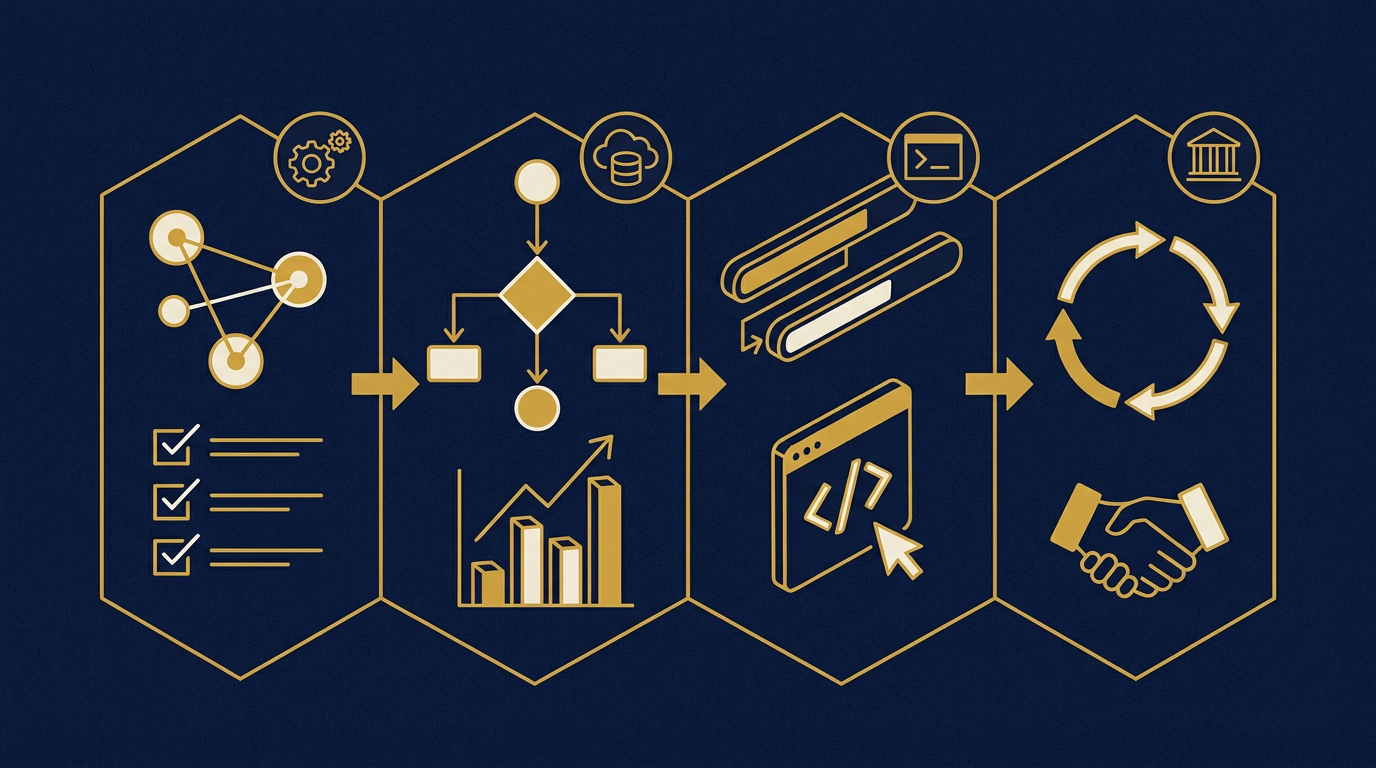
Building trust with local procurement teams requires operational clarity beyond product features. Raleigh buyers expect a structured implementation roadmap attached to post-call proposals. This roadmap must outline deployment phases, milestone deadlines, training requirements, and project management responsibilities.
Buyers also expect complete visibility into your ongoing customer support model. Organizations in healthcare services, biotechnology, and higher education need confidence that system downtime or implementation delays will be handled promptly. Define your account management structure, escalation paths, and support availability within your initial follow-up materials.
Local validation carries significant weight in technical evaluation reviews. Incorporating local references from recognizable regional institutions reinforces your operational capability. Demonstrating successful deployments within similar technical or regulatory environments in North Carolina proves that your firm can deliver on its promises.
This systematic approach to post-call documentation directly impacts long-term account value. Establishing operational rigor during early interactions reduces onboarding friction, increases customer retention, and builds the foundation for repeat and referral revenue from customers you already closed.
Navigating Seasonality and CRM Handoffs
Post-call systems must adapt to local operational calendars and seasonal rhythms. State government entities operate under strict fiscal budget cycles, while higher education and research institutions align major purchasing initiatives with academic semesters. CRM workflows must capture these timing constraints after the initial call so follow-up tasks match the buyer’s internal schedule.
Major regional events also impact buyer availability and review timelines. Scheduling and follow-up cadence should account for major municipal and cultural events, including:
- The North Carolina State Fair
- The Hopscotch Music Festival
- Artsplosure
- The World of Bluegrass festival
Sending complex evaluation materials during major event windows or peak state government fiscal deadlines leads to delayed reviews. CRM systems should log evaluation committee schedules and automated reminders to ensure reps follow up when key stakeholders are present.
Documenting account notes thoroughly in your CRM prevents lost momentum during internal handoffs. When an initial sales representative transitions a deal to a technical solution engineer or account manager, the buyer should never have to repeat their security requirements, integration constraints, or operational goals.
Operational Changes for Raleigh Account Managers
Refining your post-call execution changes how your organization operates in the Raleigh market. Shifting from informal check-ins to structured, technical documentation builds operational authority. This consistency reduces churn, speeds up sales cycles, and drives repeat and referral revenue from customers you already closed.
To align your follow-up execution with local market expectations, implement these immediate operational adjustments:
- Standardize post-call recap templates for technical evaluation committees. Require reps to send a detailed summary within 24 hours that outlines technical requirements, data security protocols, integration boundaries, and performance metrics.
- Include structured implementation roadmaps and ongoing customer support terms in every post-call documentation package. Attach regional references from technology, life sciences, healthcare, or higher education sectors.
- Configure CRM fields to capture committee member roles, fiscal budget deadlines, and seasonal availability around local events like Artsplosure or the North Carolina State Fair to maintain consistent handoffs and sell more effectively over time