

 Raleigh, NC · Branding
How do buyers in Raleigh, North Carolina judge a brand?
Buyers in Raleigh judge a brand by auditing its technical documentation, compliance readiness, and operational history long before accepting an initial meeting
In Raleigh, prospective buyers evaluate your brand long before an account executive sends a calendar invite or schedules a call. Procurement teams and department heads across technology, healthcare, higher education, and state government perform quiet digital audits. They inspect your technical documentation, your corporate structure, and your operational history. Brands that showcase clear administrative frameworks and integration readiness pass this initial filter. Brands that rely on vague hype or broad marketing campaigns get ignored.
The Verification Filter of Raleigh Institutions
Raleigh was planned and established in the late 18th century as the capital of North Carolina. It originally served as a regional administrative and agrarian market center. The creation of the nearby Research Triangle Park in the mid-20th century catalyzed a permanent transition toward high-tech research, pharmaceuticals, and higher education. This shift turned the city into a fast-growing economic center driven by complex organizations.
Because of this economic history, the local buying culture combines public sector administrative caution with enterprise technical rigor. Decision-makers at major institutions do not take exploratory sales meetings based on splashy consumer positioning.
When an enterprise software firm like Red Hat, Cisco Systems, or IBM considers a new vendor, their internal teams examine your existing public collateral for structural substance. The same standard applies when dealing with WakeMed Health & Hospitals, North Carolina State University, or the State of North Carolina. Buyers in these environments search your website and collateral for specific indicators:
- Technical documentation that explicitly outlines system requirements, API structures, and security protocols
- Standardized service-level agreements, data privacy policies, and operational governance structures
- Enterprise case studies demonstrating long-term system stability rather than short-term experiments
- Clear corporate ownership details and transparent leadership credentials that prove administrative stability
If your digital footprint lacks these operational markers, local buyers classify your pitch as out-of-town noise. Out-of-town noise consists of abstract buzzwords, exaggerated return-on-investment claims, and hyper-polished marketing videos that contain zero technical substance.
Why Abstract Positioning Triggers Buyer Resistance
Commercial decision-makers across Raleigh manage tightly regulated operations and complex stakeholder networks. A healthcare administrator at WakeMed Health & Hospitals evaluating an equipment or service provider must answer to internal compliance and risk management officers. An academic director or facilities manager at North Carolina State University operates under clear institutional guidelines and procurement rules. State officials at the North Carolina State Capitol complex adhere to statutory vendor standards.
When your brand relies on generic B2B marketing templates, local buyers assume your offering will create operational friction. They expect vendors to demonstrate immediate familiarity with structured procurement, vendor registration requirements, and formal evaluation frameworks.
Building early trust through operational transparency directly impacts your bottom line. When local buyers verify your technical readiness before the first meeting, they treat your organization as an established partner rather than an unproven vendor. This pre-meeting credibility reduces price resistance during initial contract negotiations and supports a bigger average ticket. Organizations pay higher rates to vendors who eliminate operational risk before the discovery call occurs.
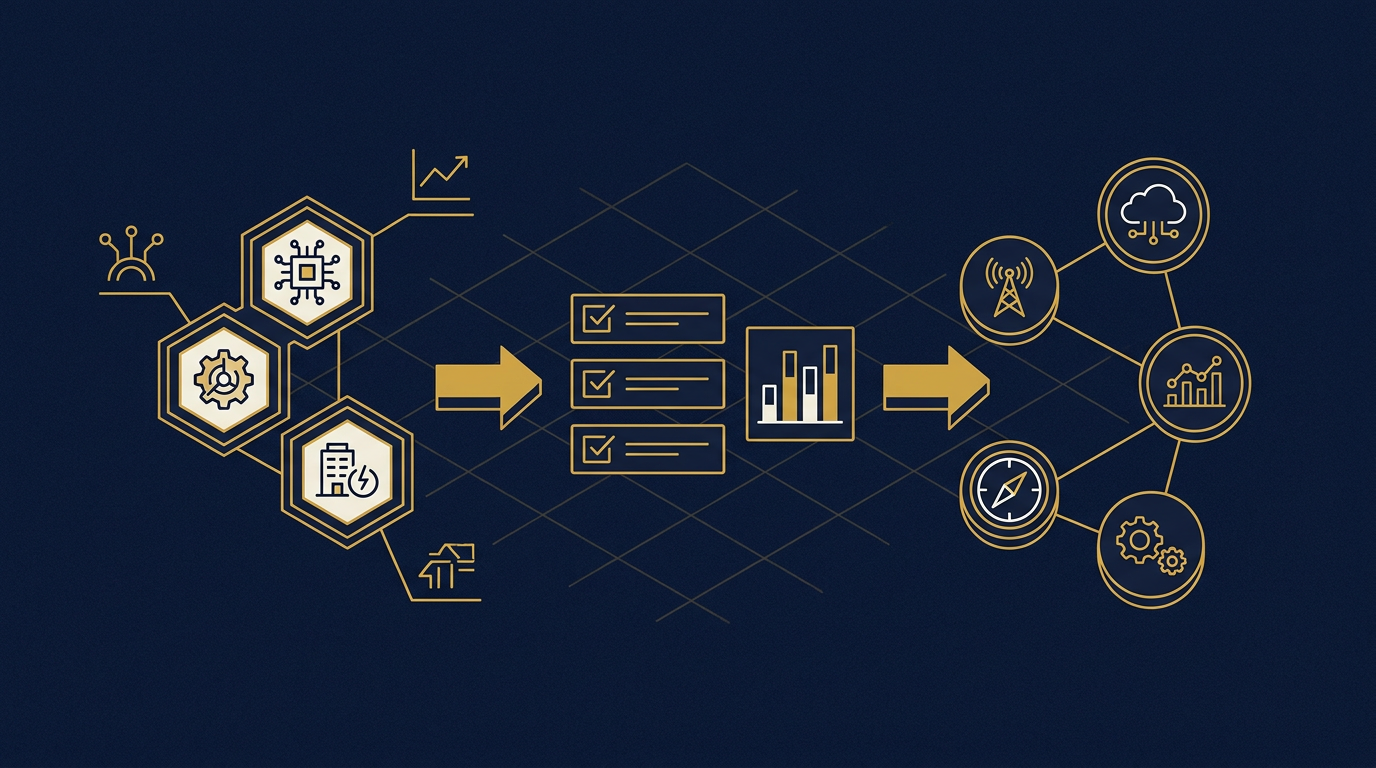
Differentiating Credibility Signals from Out-of-Town Noise
To earn calendar time with decision-makers in Raleigh, your public brand must project technical precision rather than superficial style. A commercial enterprise operating near Historic City Market or managing accounts across major employer campuses must present clean facts. While consumer audiences engage with events around PNC Arena, Pullen Park, or the North Carolina Museum of Art, business buyers maintain a strict focus on operational risk.
Evaluating your brand through the eyes of a local procurement committee reveals clear differences between effective signals and wasted noise:
- Out-of-Town Noise: High-level presentation decks filled with sweeping promises, vague productivity metrics, and claims of industry disruption that lack technical specs
- Raleigh Credibility: Publicly accessible technical specification sheets, clear data security standards, precise implementation timelines, and verified corporate contact channels
- Out-of-Town Noise: Marketing materials focused entirely on rapid deployment and low entry pricing while hiding long-term maintenance requirements
- Raleigh Credibility: Transparent service level agreements, structured account management hierarchies, and explicit details regarding system maintenance and support
- Out-of-Town Noise: Generalized client logos without contextual details regarding scope, integration, or contract duration
- Raleigh Credibility: Detailed case studies documenting how your product integrated into existing technology stacks, regulatory environments, or enterprise workflows
When your public brand emphasizes operational infrastructure over marketing claims, you filter out low-value prospects and position your sales team to sell more effectively to major institutions.
What Pre-Meeting Credibility Changes for Raleigh Operators
Establishing pre-meeting credibility changes the financial trajectory of your sales engine. When prospective clients verify your operational capability prior to an initial conversation, you eliminate the friction that causes deals to stall. Perceived risk drops, decision cycles shorten, and buyers accept higher pricing tiers because your brand has already proven its stability. The mechanism is simple: transparent technical proof reduces buyer risk, eliminates discounting pressures, and expands the scope of initial contracts to yield a bigger average ticket.
To align your brand with how Raleigh buyers evaluate prospective vendors, execute these specific steps immediately:
First, conduct a complete audit of your digital footprint and sales collateral. Remove broad industry jargon, generic claims, and high-level marketing claims. Replace them with downloadable technical specifications, architecture diagrams, security compliance documents, and detailed implementation roadmaps.
Second, publish clear institutional proof points on your website. Highlight your operational governance, standard contract terms, vendor compliance capabilities, and technical support frameworks so procurement teams at organizations like Cisco Systems, Red Hat, or state agencies can verify your readiness during their initial screening.
Third, retool your case studies to focus on integration, compliance, and long-term performance. Document precisely how your organization navigated complex administrative structures, maintained uptime, and supported client operations over extended multi-year periods.