

 Raleigh, NC · AI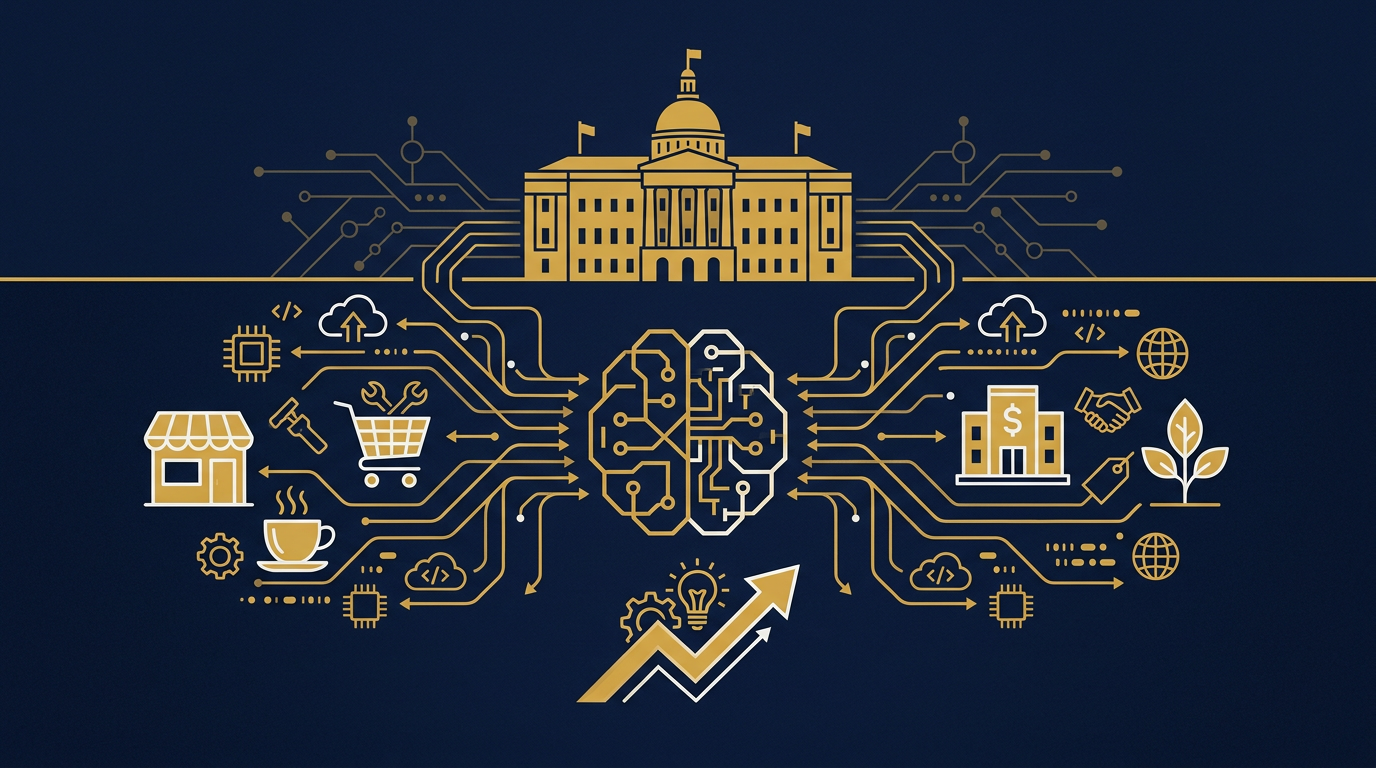
Why is AI adoption different in Raleigh, North Carolina?
AI adoption in Raleigh is driven by a technical workforce that easily detects automated outreach, requiring revenue teams to deploy AI internally rather than externally
High-Tech and Regulated Sectors Create a Low Tolerance for AI Gimmicks
Artificial intelligence adoption in Raleigh, North Carolina follows a strict divide. The local economy relies heavily on technology and software development, life sciences and biotechnology, higher education and research, state government, and healthcare services. Organizations in these sectors employ engineers, research scientists, software developers, and public administrators who understand how large language models function. When sales organizations use generative tools to auto-generate cold emails, draft generic messaging, or deploy unmonitored conversational agents, local buyers recognize the output instantly.
In a market anchored by major technology employers like Cisco Systems, Red Hat, and IBM, decision-makers interact with software architecture every day. They know what machine-generated text looks like. Sending automated, superficial pitch sequences to technical leaders or researchers signals that a vendor does not understand the technical reality of the buyer. In life sciences, biotech, and healthcare services, including systems like WakeMed Health & Hospitals, buyers face regulatory oversight and strict data security mandates. They reject vendors who rely on unchecked artificial intelligence for outward communications.
At the same time, Raleigh features a favorable business environment supported by competitive corporate tax rates and a lower cost of doing business compared to traditional tech hubs. This environment accelerates corporate migration and startup creation. The steady pipeline of talent from nearby research universities feeds into regional growth across technology, life sciences, and advanced manufacturing. Because local buyers are technically proficient, they set a high bar for vendor interactions. AI tools designed to replace human relationships fail quickly in this market.
Where External AI Tools Quietly Cost Teams Buyer Trust
Selling to local buyers requires technical precision, clarity, and verified facts. Generative artificial intelligence becomes a liability when sales reps use it as a substitute for domain knowledge. When reps rely on synthetic text to answer prospect inquiries about technical specifications, regulatory compliance, or system integration, hallucinated details destroy credibility.
Buyer trust in Raleigh breaks down across three specific touchpoints:
- Automated email personalization that inserts superficial details about a prospect's university background or job title without demonstrating understanding of their operational challenges
- Synthetic responses to technical requests for proposals (RFPs) that use broad jargon rather than exact parameters required by organizations like the State of North Carolina or North Carolina State University
- AI-driven chatbots placed on front lines to answer complex inquiries from enterprise healthcare buyers or software engineering leaders
When a sales representative sends an AI-written follow-up that misstates how a product integrates with open-source software or clinical workflows, the buyer terminates the dialogue. In a market built on tight professional networks across research facilities, state agencies, and technology parks, lost trust spreads beyond a single account. Reps who rely on public AI tools to write their cold emails or summarize complex account requirements without human oversight end up burning leads that take months to generate.
Deploying AI as an Internal Intelligence Engine
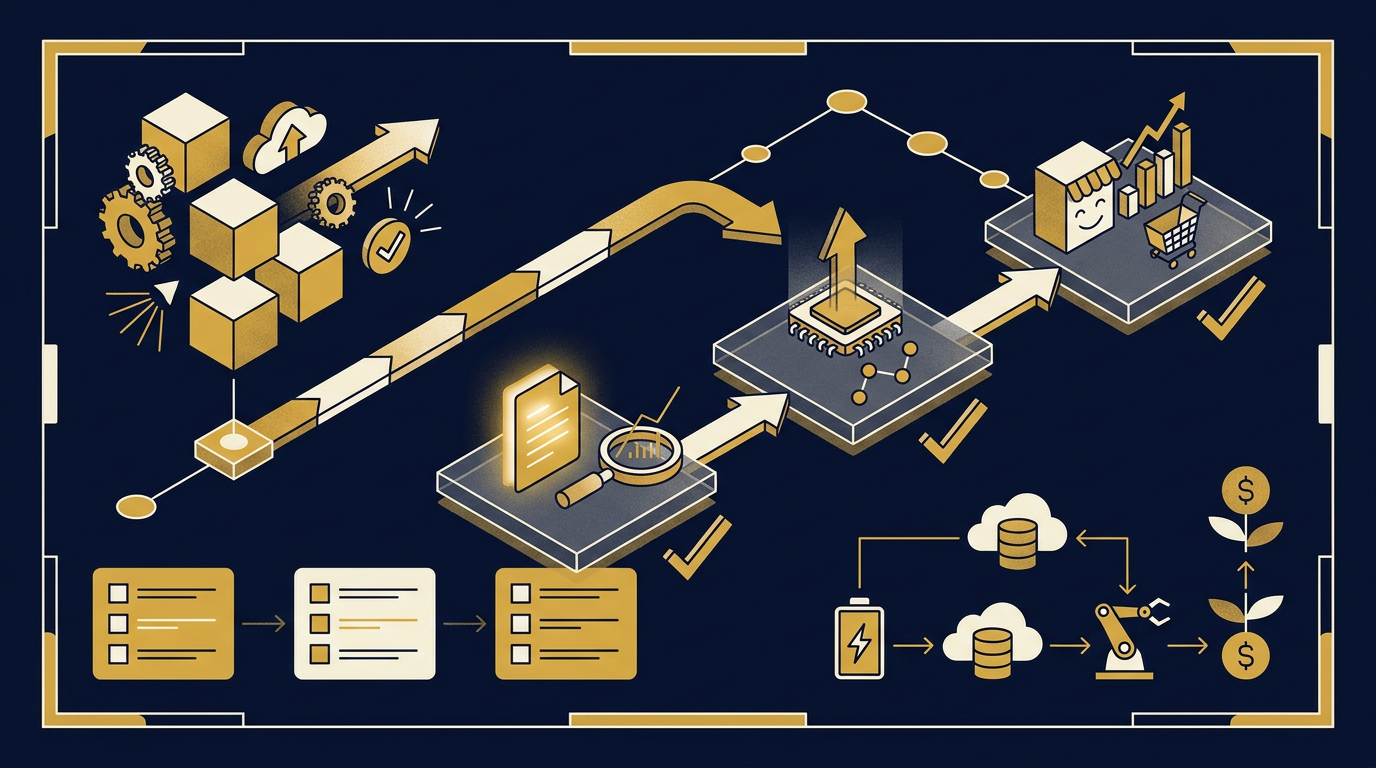
While client-facing AI automation damages trust, internal application of artificial intelligence gives sales teams a distinct operational edge. Successful revenue organizations in Raleigh do not use AI to talk to buyers. They use AI to prepare their reps for deep, highly technical buyer conversations.
The primary goal of internal AI deployment is operational speed: reclaiming selling hours for every rep on the team. In technical and institutional sales, account managers and business development reps spend hours sifting through state procurement records, reading research grants, analyzing quarterly software release notes, and preparing detailed competitive matrixes. By shifting these research tasks to internal AI workflows, companies give reps back valuable hours every week.
Instead of writing emails, internal AI tools analyze complex buyer environments. A representative preparing for a call with a healthcare system or a software firm can use internal language models to:
- Synthesize public regulatory filings and state contract documentation to identify upcoming procurement windows
- Analyze technical documentation from enterprise targets to spot specific architecture requirements before the initial call
- Review historical transcript logs from previous technical discovery sessions to identify recurring security concerns raised by evaluation teams
- Map organizational structures across large employers like North Carolina State University or major state departments to identify key operational stakeholders
When reps spend less time manually compiling research and drafting basic discovery agendas, they focus their attention on active discovery, technical validation, and deal execution. Reclaiming these hours directly increases the time reps spend in direct conversation with qualified prospects, helping teams sell more without increasing headcount.
What This Changes for Commercial Operations in Raleigh
For commercial leaders operating in Raleigh, successful AI adoption requires separating customer-facing communications from internal deal preparation. Broad platform automation that impersonates account executives burns market reputation. Structured internal tools that streamline back-office research give representatives the precise context required to lead high-value conversations.
To align your sales strategy with the realities of the local market and protect team trust, implement these operational steps immediately:
- Audit all buyer-facing communications to eliminate automated text generation. Mandate that every outbound message, proposal response, and technical follow-up is reviewed and edited by a human representative before delivery.
- Build standardized internal prompts focused on account intelligence. Configure internal language models to summarize technical specifications, review state procurement documentation, and extract key pain points from call transcripts.
- Redirect reclaimed administrative hours into direct buyer engagement. Establish clear weekly metrics for active pipeline conversations, technical discovery calls, and multi-threaded stakeholder meetings.
By converting raw data into operational context, your revenue team spends less time on administrative overhead and more time in face-to-face or direct conversations. This deliberate division between internal preparation and authentic human contact enables sales reps in Raleigh to navigate complex procurement environments, protect buyer trust, and sell more effectively across every target sector.