

 Raleigh, NC · Systems
Why do sales systems work differently in Raleigh, North Carolina?
Sales systems work differently in Raleigh, North Carolina because regional territory sprawl, public and corporate budget calendars, and major local events disrupt standard linear follow-up cadences
Territory Sprawl and Operational Geography in Raleigh
Sales systems in Raleigh fail when built on dense, urban territory models. Business operations spread across dispersed commercial hubs, state government offices, research parks, and medical centers. A representative meeting a buyer at North Carolina State University in the morning cannot easily drop in on corporate facilities at Cisco Systems, Red Hat, or IBM without accounting for regional transit time across Wake County and the broader Research Triangle.
Linear CRM task management assumes reps can execute five in-person meetings a day within a tight geographic radius. In Raleigh, geography dictates field efficiency. When sales management software assigns rigid daily visit quotas without geographic clustering, representatives spend high-value selling hours driving between scattered meetings.
To prevent pipeline drop-off, your sales management system must group accounts by geographic zone and facility type. Field reps should run concentrated outreach in specific corridors on dedicated days. For example, cluster state government accounts near downtown Raleigh on one day, university and academic departments on another, and corporate tech parks on a third. Automating task triggers around geographic zones ensures reps maintain high touchpoints without wasting selling time on the road.
Aligning Sales Cadences with Local Buying Calendars
Standard CRM software enforces uniform ninety-day pipeline stages. In Raleigh, purchasing timelines conform to public fiscal calendars, academic budget cycles, and corporate planning windows.
Institutional organizations like the State of North Carolina and North Carolina State University follow rigid fiscal calendars. Capital allocation, grant distributions, and departmental budget deadlines dictate when these buyers can review proposals or execute contracts. A CRM stage that marks an account as qualified based purely on verbal interest will miscalculate probability if the state or university fiscal year is months away from open procurement.
Similarly, enterprise technology leaders such as Cisco Systems, Red Hat, and IBM execute budget planning around corporate fiscal schedules that rarely line up with standard calendar quarters. Regional expansion in technology, life sciences, and advanced manufacturing, driven by competitive corporate tax rates and a lower cost of doing business compared to traditional tech hubs, creates another calendar dynamic. Expanding firms freeze or accelerate procurement based on facility buildouts and local site launches rather than standard quarterly boundaries.
Build your CRM workflow rules around these distinct local buying calendars:
- Flag public sector and higher education deals with custom fields for fiscal year start, grant deadlines, and RFP release windows
- Map corporate accounts against specific fiscal year ends rather than default calendar quarters
- Adjust automated task delays during annual budget freeze periods so reps do not badger contacts when purchasing authority is temporarily paused
Event Seasonality and Local Attention Shifts
Off-the-shelf follow-up cadences fail when they ignore local cultural and civic events that capture decision-maker attention in Raleigh. Key annual events alter normal communication channels across public, corporate, and healthcare sectors.
During the North Carolina State Fair, civic operations, state government offices, and local businesses shift schedules, resulting in reduced office density and lower response rates. Similarly, major cultural events like the Hopscotch Music Festival, Artsplosure, and the World of Bluegrass festival draw thousands of visitors into the city center, clogging transit, disrupting routine business operations, and shifting executive focus.
When automated email sequences or phone cadences run blindly through these festival windows, touchpoints land on empty desks or unread inboxes. Opportunities stall not because the prospect lost interest, but because the follow-up arrived during a local disruption.
Your CRM should incorporate a calendar pause matrix. When major regional events occur, update pipeline workflow rules to delay automatic task assignments and email sequences by five to seven business days. This keeps your outreach out of flooded inboxes and prevents prospects from marking your touchpoints as spam.
Technical Procurement and Multi-Department Follow-Up
The steady pipeline of talent from nearby research universities fuels a sophisticated buying environment across technology, life sciences, and advanced manufacturing. Organizations like WakeMed Health & Hospitals, Cisco Systems, and Red Hat rely on structured evaluation processes involving clinical, technical, legal, and operational stakeholders.
A single-track follow-up model, where a sales rep calls one main contact every four days, causes pipeline leaks in this market. When a primary contact at WakeMed Health & Hospitals or Red Hat forwards a proposal to internal compliance, IT security, or legal teams, standard CRM systems record no activity and mark the deal as stagnant. Reps often respond by pushing the primary contact for updates, creating unnecessary friction.
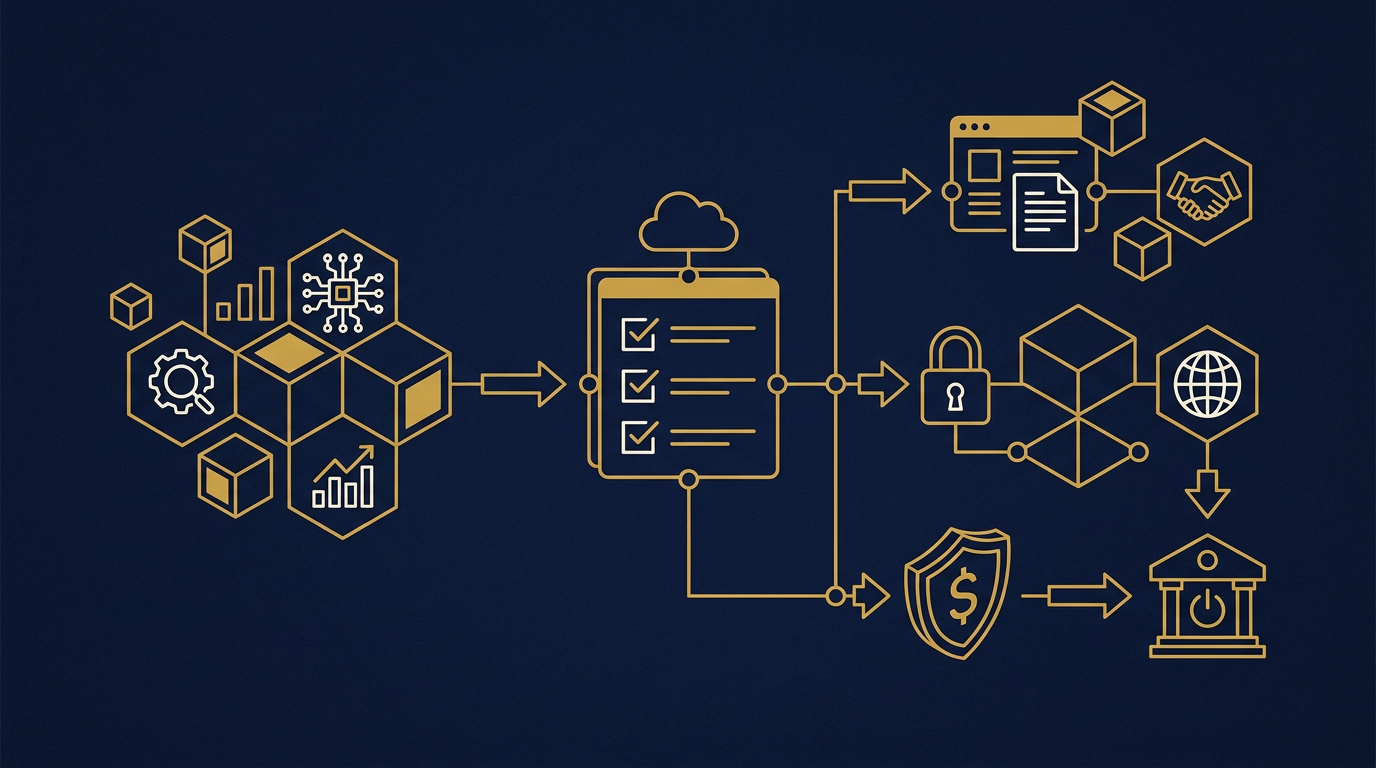
Your CRM process must support multi-threaded follow-up tracks:
- Primary Sponsor Track: Focuses on business value, implementation milestones, and operational outcomes
- Technical and Compliance Track: Tracks security documentation, clinical validations, and IT architecture approvals concurrently
- Executive Sponsor Track: Delivers high-level summaries timed to board or committee meeting cadences
Structuring your CRM to manage parallel workstreams prevents deals from stalling in hidden internal review loops.
What This Changes for an Operator in Raleigh
Adjusting your sales operations to Raleigh's geography, buying calendars, and industry structures changes your baseline performance. Instead of generating more cold leads to offset dropped opportunities, you get more of the pipeline you already have converting instead of leaking through poor timing, unaligned calendars, and lost consensus.
To capture this revenue improvement in Raleigh, take these three operational steps immediately:
First, audit your CRM workflow rules to map directly against local purchasing calendars. Add mandatory fields that capture public sector fiscal year dates for the State of North Carolina, academic calendar cycles for North Carolina State University, and specific corporate fiscal years for major employers like Cisco Systems, Red Hat, and IBM.
Second, restructure your field sales territories into geographic corridor zones across Wake County and the surrounding region. Stop measuring reps on total daily visits and start measuring them on geographic route efficiency.
Third, build a seasonality pause calendar into your CRM automation engine. Automatically pause outbound call sequences and email drips during the North Carolina State Fair, Hopscotch Music Festival, Artsplosure, and the World of Bluegrass festival to protect your domain reputation and ensure your outreach reaches decision-makers when they are in the office.
By aligning your follow-up cadence, territory management, and CRM stages with how business is actually conducted in Raleigh, your sales team will operate with higher conversion rates and shorter cycle times.