

 Seattle, WA · AI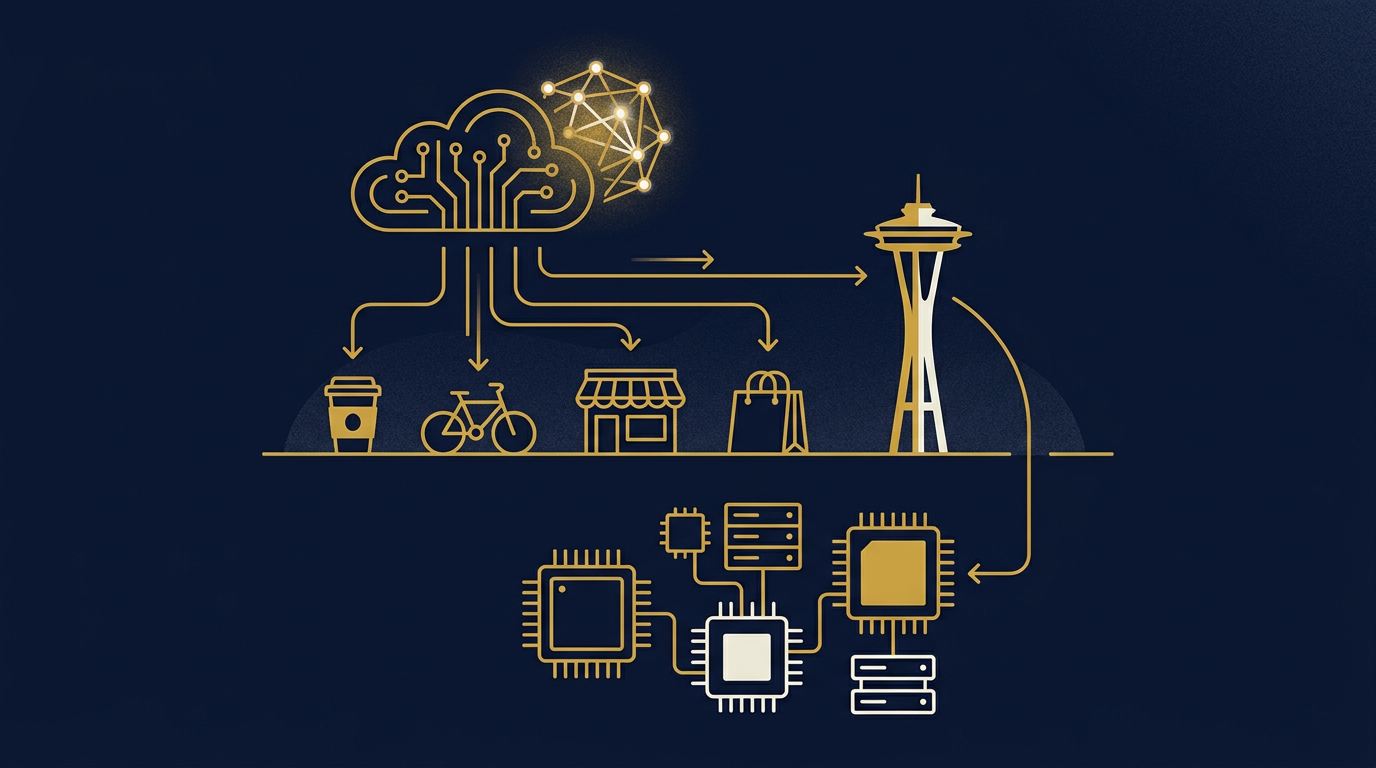
Why is AI adoption different in Seattle, Washington?
AI adoption in Seattle differs because local technical fluency makes buyers reject synthetic outreach, requiring sales teams to deploy AI as a back-office intelligence engine
The Native Technical Literacy of the Seattle Workforce
Seattle buyers evaluate commercial artificial intelligence tools with deep technical literacy because local workforce talent builds, scales, and operates cloud technology infrastructure daily. Major corporate headquarters like Amazon, Microsoft, and Starbucks set a high operational baseline across the region. Enterprise venture capital investments and research units at the University of Washington foster an environment where buyers understand the underlying data models, prompt structures, and limitations of generative software.
When commercial revenue teams in Seattle attempt to use artificial intelligence for direct prospect outreach, synthetic cold emails, or automated video pitches, the approach fails immediately. Local prospects spot automated prompts, predictable language structures, and standardized templates within seconds. Deploying generative tools to fake personalized communication signals operational laziness, damages enterprise trust, and causes prospective clients to block outreach channels. In a high-growth business environment backed by a dense talent pool, buyers demand genuine human engagement when negotiating enterprise deals.
Industry Risk Profiles and Synthetic Automation Rejection
The operational risk of using customer-facing automation varies across Seattle's dominant industries, but the rejection from buyers remains consistent.
In aerospace and defense manufacturing, commercial teams engage with specialized engineering departments, procurement officers, and major employers like The Boeing Company. A single synthetic error, inaccurate technical spec, or hallucinated line item in an automated proposal disqualifies a vendor from complex manufacturing bids.
In global trade and maritime logistics, buyers manage fast-moving shipping operations, port logistics, and international supply chains. Automated messaging systems that deliver generic updates or fail to reflect real-time logistics challenges create operational friction and ruin vendor relationships.
In biomedical and life sciences research, research institutions and biotechnology firms operate under progressive municipal regulations and strict compliance standards. Buyers at major research hubs, including the University of Washington, evaluate proposals on empirical precision and scientific accuracy. Sending automated sales communications to laboratory administrators or research executives destroys professional credibility instantly.
In e-commerce and corporate retail, buyers handle thin operational margins while managing high operational costs, local business and occupation taxes, and progressive municipal regulations. Corporate retail teams at companies like Amazon and Starbucks evaluate software and service vendors on verified technical integration, measurable efficiency, and supply chain dependability. Automated outreach that lacks deep operational context proves to these corporate teams that a vendor does not understand local cost pressures.
High-Yield Back-Office Deployment Across Regional Sectors
Artificial intelligence creates commercial value in Seattle when revenue organizations deploy it strictly as an internal intelligence engine. The primary objective of internal AI adoption is reclaiming lost administrative hours, giving account representatives more time for direct customer discovery and negotiation.
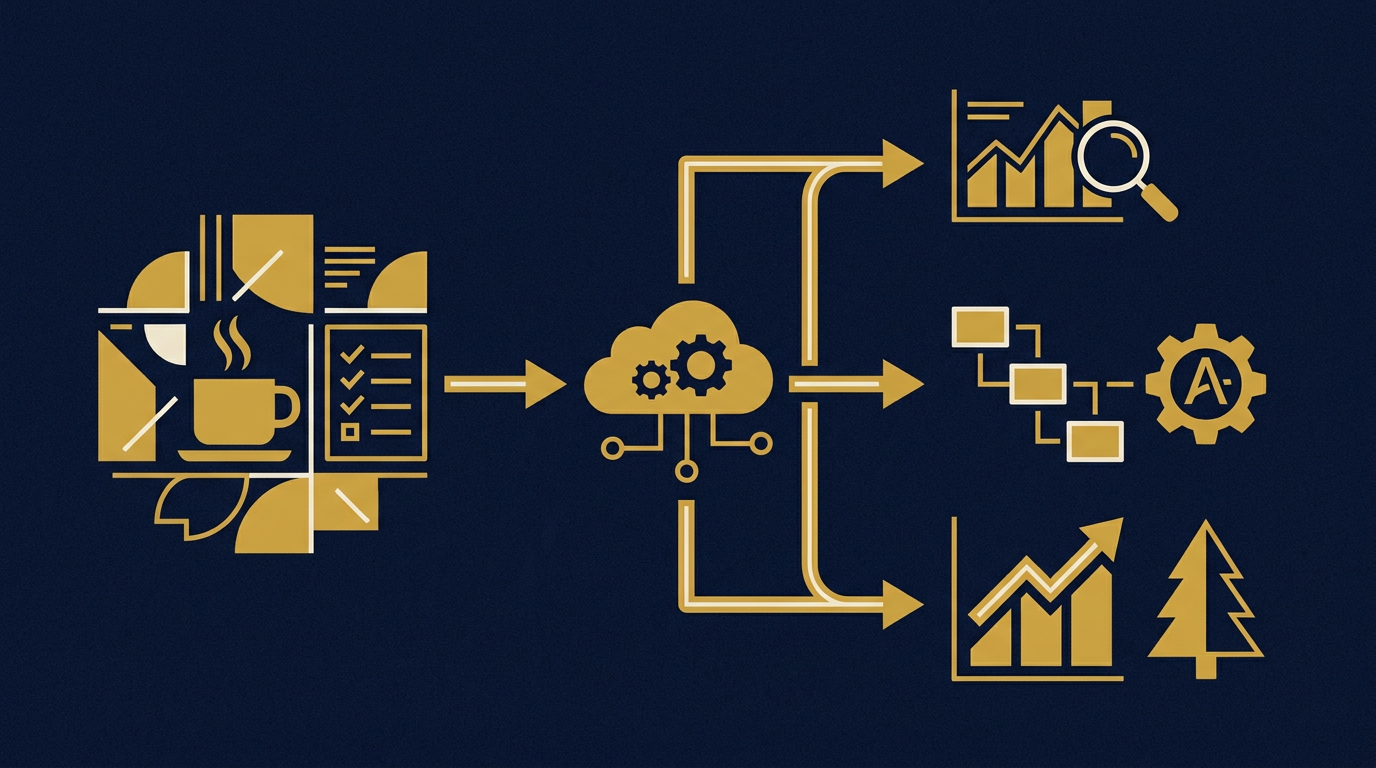
When restricted to back-office execution, software tools accelerate complex research and workflow synthesis across the city's key sectors:
- In aerospace and defense manufacturing, internal tools digest multi-hundred-page technical RFPs, outline compliance parameters, and highlight specification gaps before sales reps write proposal responses
- In biomedical and life sciences research, internal systems track clinical research publications, institutional grant awards, and regulatory filings to help reps identify commercial opportunities early
- In global trade and maritime logistics, internal platforms aggregate shipping schedule updates, port disruption reports, and trade policy documentation into clear account briefs prior to client strategy meetings
- In e-commerce and corporate retail, internal tools analyze vendor performance histories, inventory turnover trends, and regional purchasing metrics to build data-driven commercial reviews
Using internal engines to complete technical research removes heavy administrative burdens from front-line reps. Sales representatives spend significantly less time compiling raw data and formatting internal reports, directly reclaiming selling hours per rep each week for client engagement.
Operational Protocols to Protect Market Reputation
Thriving in Seattle requires complete alignment between internal operations and local buying expectations. Because cloud technology infrastructure and software engineering form the bedrock of the regional economy, local enterprise buyers respect vendors that use modern software to improve operational speed. They reject vendors that use technology to substitute for direct human account management.
To accelerate pipeline development while protecting enterprise reputation, local sales organizations must establish four concrete operational rules:
- Eliminate customer-facing automated messaging. Every cold email, follow-up note, and proposal summary delivered to a prospect must be drafted, verified, or thoroughly edited by a human representative.
- Restrict generative tools to technical research. Limit software usage strictly to back-office tasks, including account research, RFP parsing, trade document synthesis, and competitive benchmarking.
- Verify all technical outputs. Mandate that sales reps audit every synthetic data point against primary enterprise records before submitting commercial proposals to prospective clients.
- Capitalize on tax structures for talent recruitment. With no state personal income tax, local businesses can reallocate administrative savings into hiring and retaining technical sales talent capable of navigating high-stakes enterprise accounts.
What This Changes for Seattle Operators
For a commercial sales leader in Seattle, successful AI adoption is not about generating automated outreach volume. It is about converting heavy administrative workloads into direct selling time. High operational costs, local business and occupation taxes, and progressive municipal regulations require sales organizations to maximize the yield of every account representative.
Shifting artificial intelligence tools entirely to internal technical synthesis gives representatives the preparation required to sell more effectively across complex corporate environments. Reclaiming selling hours per rep each week provides the internal bandwidth needed to conduct thorough discovery, manage multi-stakeholder deals, and build lasting corporate partnerships.
To make this transition immediately, execute these three steps:
First, conduct a complete audit of your current sales technology stack and immediately turn off automated email sequences or generative outreach platforms contacting prospective clients directly.
Second, develop standardized internal prompting workflows for pre-call technical preparation, instructing reps to use software tools exclusively for parsing complex RFPs, summarizing trade logistics data, and monitoring regional regulatory updates.
Third, reallocate the reclaimed hours directly into personalized, high-touch outreach to key decision-makers across Seattle's corporate headquarters, biomedical research centers, maritime terminals, and aerospace production facilities.