

 San Jose, CA · AI
Why is AI adoption different in San Jose, California?
AI adoption in San Jose differs because local buyers build technical tools and reject outward automated outreach. Internal AI deployment allows teams to reclaim selling hours per rep each week.
Buyer Expertise Defines AI Boundaries in San Jose
Artificial intelligence adoption in San Jose, California fails when revenue organizations treat local buyers like traditional commercial prospects. The city is defined by a workforce composed of specialized technical talent. Local decision-makers operate across high technology and software development, semiconductor and hardware manufacturing, cloud computing and IT infrastructure, and biotechnology and medical technology. When commercial teams deploy generative tools to draft outbound emails or simulate personal outreach, local buyers identify the automation immediately. Engineers, product leads, and procurement executives at major employers like Cisco Systems, Adobe, eBay, and PayPal build, test, and manage complex systems every day. They spot pattern-matched copy, synthetic voice scripts, and automated follow-up cadences within seconds.
San Jose serves as an economic hub of Silicon Valley, attracting substantial investment capital while hosting global corporate headquarters. Operating a business here requires navigating high real estate costs and operational overhead alongside California's regulatory and tax framework. Because local buyer organizations operate under elevated overhead costs, their purchasing decisions are disciplined and risk-averse. They do not accept superficial value claims, and they actively disengage when vendors delegate client communication to unmonitored software.
Where Outward AI Tools Burn Local Trust
In specialized technical markets, buyer trust is difficult to gain and immediate to lose. Deploying artificial intelligence directly against prospective clients creates friction across the sales pipeline. When a sales representative permits a generative model to draft outbound messages or compose technical responses without strict oversight, inaccuracies inevitably enter the conversation. Decision-makers evaluating cloud architecture or medical technology require absolute operational precision. A single automated message that misquotes a system capability or misinterprets a compliance standard destroys commercial credibility.
Customer-facing AI failures regularly occur across specific commercial touchpoints:
- Outbound sales campaigns using automated text generation, which technical evaluators reject as generic spam
- Website chat agents that deliver inaccurate or high-level responses to complex architectural inquiries from software buyers
- Generated proposal materials that misstate performance metrics, security protocols, or regulatory compliance standards required by public buyers like the County of Santa Clara
- Automated follow-up sequences that fail to reflect the nuances of multi-department technical evaluations
When a prospective client receives machine-generated outreach, they assess the vendor's underlying standards. If a sales organization uses generic automation to explain complex software development, hardware manufacturing, or IT infrastructure, local buyers assume the company lacks true engineering authority. Building trust in San Jose requires human precision, verified documentation, and knowledgeable representatives who take personal accountability for their messaging.
Internal AI Preparation Drives Commercial Value
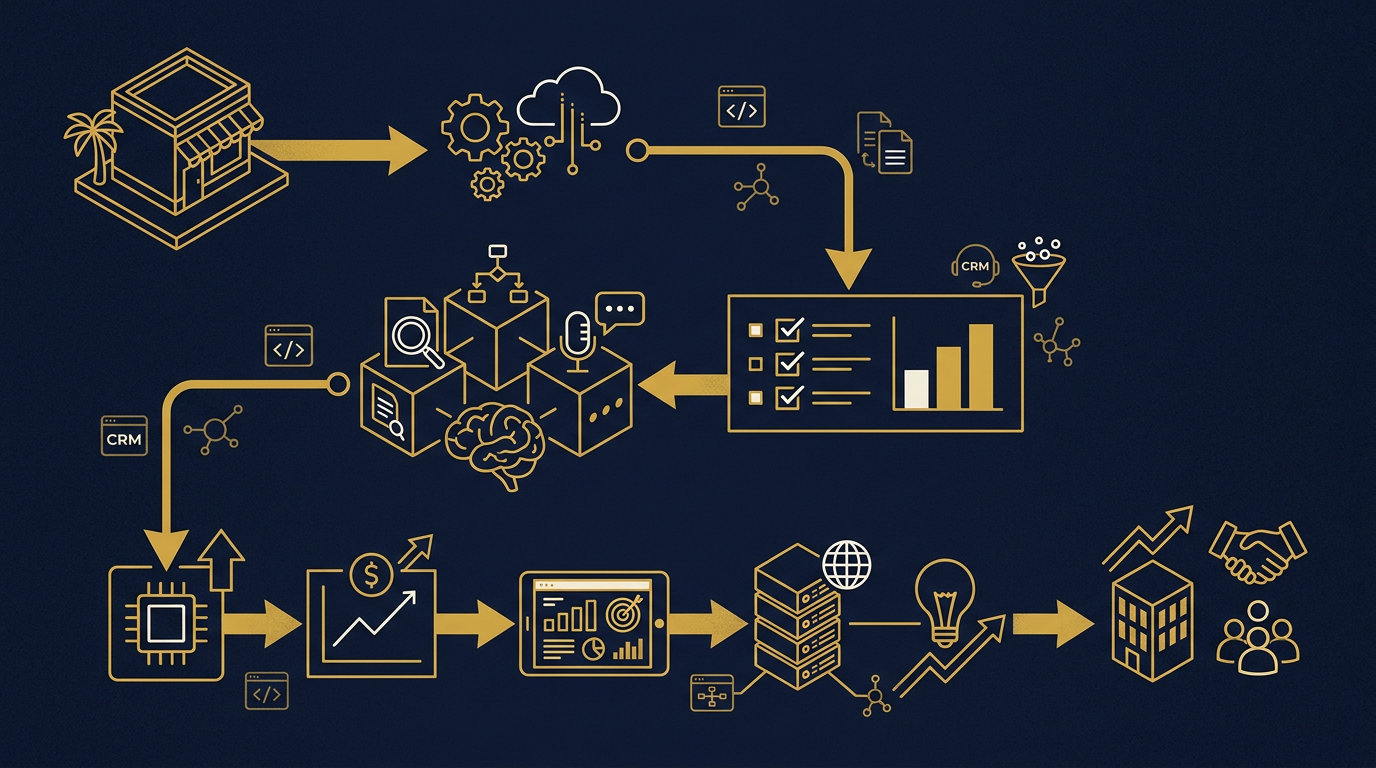
While customer-facing sales automation destroys trust, internal AI integration offers measurable operational advantages. Successful revenue organizations in San Jose deploy machine learning tools exclusively as an internal intelligence engine. The objective is not to replace human conversation, but to streamline research, remove administrative drag, and prepare reps for complex technical meetings.
High-performing commercial teams use internal AI workflows to accelerate back-office execution across core selling activities:
- Summarizing long-form product documentation, API specifications, and architectural blueprints before discovery sessions
- Parsing complex regulatory requirements, state compliance standards, and tax framework updates relevant to enterprise contracts
- Digesting account histories, past support logs, and historical contract terms across enterprise accounts
- Extracting technical bid requirements and procurement conditions from complex documentation issued by public institutions like the County of Santa Clara or global headquarters like Cisco Systems
- Synthesizing competitive analysis tables and technical matrix grids before executive presentations
By restricting artificial intelligence to back-office preparation, revenue teams maintain complete human control over prospect interactions. Representatives arrive at discovery meetings thoroughly informed on technical requirements and account context. Automating administrative research removes hours of manual data processing, enabling reps to reclaim selling hours per rep each week.
Operational Changes for San Jose Revenue Leaders
For a commercial leader in San Jose, realigning your AI strategy requires shifting investments from front-line automation to back-office enablement. The strategic focus must remain on reclaiming selling hours per rep each week while protecting your brand reputation among sophisticated technical buyers. This shift ensures your sales team spends more time in direct, knowledgeable conversations with prospective clients.
To realign your commercial operations with the realities of the local market, execute these three operational steps immediately:
- Enforce a firm policy prohibiting client-facing generative communication. Ban the use of automated email copy generation, synthetic media, and unmonitored chat bots across all sales touchpoints. Require all outward communications to be authored or verified by a qualified representative.
- Build internal prompt libraries dedicated to deal preparation. Equip sales teams with internal AI workflows configured to parse technical specifications, summarize complex enterprise RFPs, and analyze account histories across major local employers like Adobe, PayPal, or eBay.
- Reallocate administrative time back into direct prospect engagement. Mandate that sales representatives transfer saved research hours directly into live discovery meetings, technical reviews, and executive relationship building.
Restricting artificial intelligence to internal research protects customer trust while maximizing rep output. Your sales representatives enter buyer discussions fully prepared, supported by accurate documentation, and ready to compete effectively in a dense technical economy.