

 Sacramento, CA · AI
Why is AI adoption different in Sacramento, California?
AI adoption in Sacramento is shaped by strict regulatory standards across government, healthcare, and tech, making back-office analysis valuable while automated buyer outreach destroys trust
Industry Constraints Determine Valid AI Use Cases
Artificial intelligence adoption in Sacramento does not follow the pattern of standard corporate tech centers. The regional economy operates around distinct foundational industries: state government and public administration, healthcare and life sciences, agriculture and food technology, information technology, and clean energy and construction. Anchored by major employers such as the State of California, UC Davis Health, Sutter Health, Kaiser Permanente, and Intel Corporation, purchasing activities in the capital region follow structured, deliberate timelines. In this business environment, deploying artificial intelligence to automate direct buyer outreach quickly damages pipeline velocity.
Sacramento buyers evaluate vendor proposals under strict regulatory and operational scrutiny. Commercial real estate rates and operating costs in Sacramento remain higher than the national average, though they are lower than in the neighboring San Francisco Bay Area. Regional commercial growth is sustained by an ongoing influx of businesses and residents seeking an accessible Northern California hub. Local leadership demands operational efficiency to balance these cost dynamics, but buyers do not tolerate automated shortcuts in vendor communication.
Generative text tools deployed for prospect outreach, cold emailing, or automated client follow-ups carry unacceptable risks. Procurement officials in state administration, hospital network buyers, and construction project leads recognize synthetic messaging instantly. When a vendor relies on automated copy, decision-makers view it as a signal that the vendor lacks genuine investment in the account, lacks understanding of local compliance requirements, or lacks the capacity to deliver customized execution. AI adoption succeeds in Sacramento only when revenue organizations restrict its use to back-office acceleration and internal analysis.
Why Automated Buyer Communications Fail in the Capital Region
The purchasing environment in Sacramento is dominated by committee governance. A sales representative selling into major local employers, whether negotiating with public agencies, regional health networks like Sutter Health or UC Davis Health, or technology firms like Intel Corporation, rarely closes business through a single point of contact. Major procurements require consensus across technical specialists, legal counsel, compliance officers, and executive sponsors.
Automated buyer communication fails in this environment for three distinct reasons:
- Synthetic copy lacks precise regulatory language. Public sector and healthcare procurement specifications require exact alignment with statutory rules, privacy standards, and operational guidelines. Generative tools frequently insert generic phrases that fail to address specific local requirements.
- Committee buyers value operational accountability. Decision-makers across state agencies and clean energy firms manage public funds or high-liability infrastructure. They favor vendors who provide direct, personal responsiveness rather than automated nurture sequences.
- Market density rewards high-trust relationships. As new firms migrate to Sacramento from higher-cost coastal markets, buying teams are inundated with standard sales pitches. Automated emails get filtered or ignored immediately, while tailored, highly researched outreach commands attention.
When sellers deploy AI to generate mass messaging, they compromise client trust. A single tone-deaf automated message sent to a public agency director or healthcare buyer can permanently close off an account that required months of strategic positioning to access.
Internal AI Applications That Scale Commercial Capacity
While external AI messaging introduces friction, internal AI deployment provides immediate operational value. The primary objective of AI adoption in Sacramento is not to replace rep-to-buyer interactions, but to streamline the back-office intelligence work that precedes those interactions.
Commercial teams operating across agriculture and food technology, clean energy and construction, and information technology must digest vast quantities of technical data before presenting to buyers. Formal solicitations, tender documents, and regulatory filings in California are often hundreds of pages long. Manually parsing these materials consumes hours that sales reps could otherwise dedicate to direct buyer discovery.
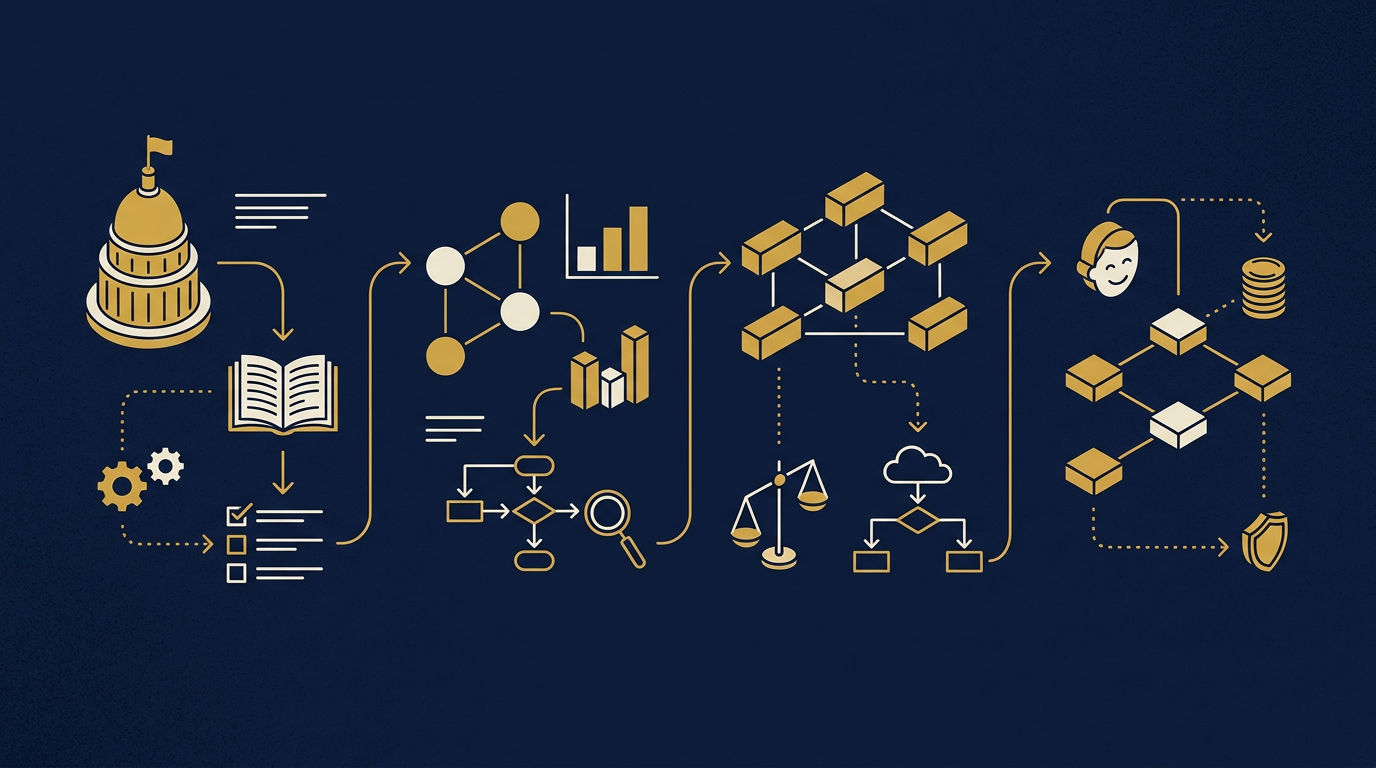
Deploying internal AI models behind the scenes changes this dynamic. Revenue teams use internal software tools to:
- Summarize multi-page Request for Proposal requirements from public administration bodies and regional healthcare networks
- Compare client operational specifications against internal product offerings to spot gaps before initial meetings
- Draft account research briefs that map multi-stakeholder approval hierarchies across target organizations
- Synthesize technical updates in clean energy regulations or agricultural technology standards into concise rep talking points
By transferring research and administrative burden to internal AI tools, commercial teams protect the integrity of buyer communications while increasing internal speed. This shift directly improves team productivity by reclaiming selling hours per rep each week. Instead of spending afternoons sorting through procurement documentation, reps spend those hours conducting direct outreach, holding discovery meetings, and building consensus across buyer committees.
Reclaiming Selling Hours for Sacramento Operators
For commercial sales leaders in Sacramento, deploying artificial intelligence requires clear operational boundaries. Software must be used to handle high-volume data processing internally, while direct communication remains entirely human-driven. Revenue organizations that establish this boundary eliminate administrative drag without sacrificing trust in a high-compliance market.
To implement this model and reclaim selling hours per rep each week, execute the following three steps:
- Audit rep activity and isolate back-office bottlenecks. Review where your sales reps spend administrative time during a typical week. Identify repetitive research tasks, such as reading RFP disclosures, tracking public procurement notices, or summarizing meeting notes, and deploy internal AI tools specifically for those tasks.
- Institute a firm restriction on automated outbound messaging. Establish explicit operating guidelines prohibiting the use of unedited generative AI text in cold emails, prospect follow-ups, or formal proposal submissions to entities like the State of California, Kaiser Permanente, or local commercial targets. Require mandatory human review for all external copy.
- Establish account research prompt templates. Build standard internal prompt libraries optimized for your industry mix. Train reps to feed public sector budgets, health system strategic plans, and construction project specs into secure internal AI tools to generate account briefs before every high-stakes discovery call.
By aligning AI tools with internal research needs rather than automated outreach, Sacramento revenue leaders give their teams a distinct operational edge. Reps spend less time navigating paperwork and more time engaging the regional decision-makers who drive local market growth.