

 Omaha, NE · Sales
What makes buyers in Omaha, Nebraska different?
Buyers in Omaha evaluate vendors through long-term financial stability, clear operational metrics, and committee consensus rather than high-pressure pitches
Evaluating Risk and Financial Stability Over Coastal Hype
Buyers in Omaha evaluate vendors through financial durability and clear operational metrics rather than aggressive feature promises or coastal trends. Because the local business climate features low operational costs compared to coastal metros, organizations here prioritize lean execution and stable economic performance. The regional economy relies heavily on back-office operations, logistics facilities, and corporate headquarters that operate on multi-year planning horizons. A stable enterprise base creates a commercial environment where corporate leaders expect vendors to demonstrate long-term financial stability before opening contract discussions.
Flashy software presentations and unproven sales tactics fail in this market. Decision makers examine balance sheets, uptime metrics, and total cost of ownership. They want to verify that a vendor will remain solvent and reliable over the lifespan of the contract. If a sales representative leads with aggressive pitch tactics or abstract claims, enterprise leaders end the conversation. A sales representative earns attention by presenting immediate, practical value backed by verifiable operational metrics.
The Enterprise Decision Process: Committee Sign-Off and Accountability
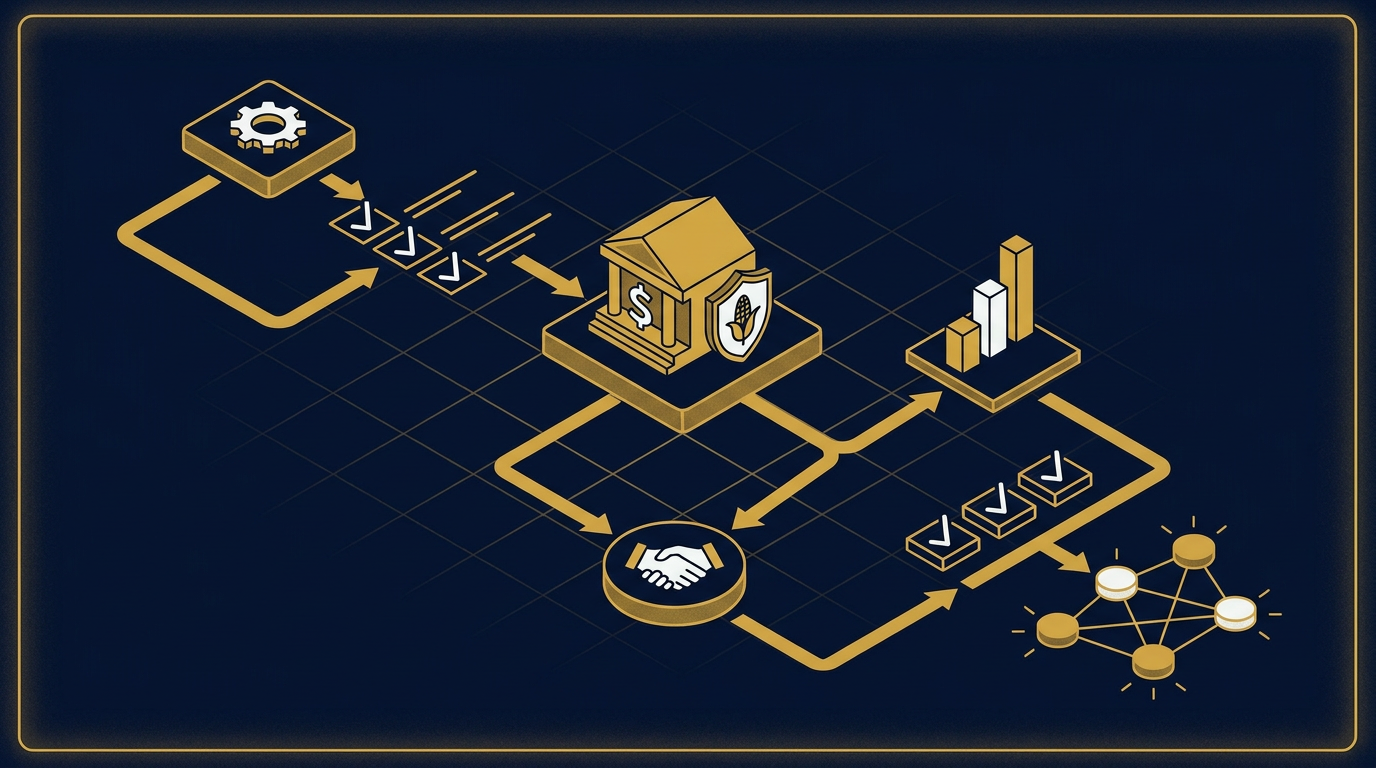
Purchasing across Omaha corporate headquarters and logistics hubs rarely happens through a single executive contact. Decisions depend on formal committee buying structures that require cross-departmental sign-off. An initial meeting with an operational director serves only as an entry point. The buying committee typically includes representatives from finance, legal, procurement, and IT operations.
Because Omaha serves as a center for back-office operations and logistics supported by reliable fiber infrastructure, enterprise systems affect multiple departments simultaneously. An operational change in logistics management or administrative software impacts workflow across regional facilities. Consequently, buyers will not move forward until every department affected by the procurement agrees on the vendor.
To navigate this environment, reps must equip their internal champion with clear business cases tailored to each stakeholder:
- Finance requires clear return on investment, expense controls, and long-term cost predictability
- IT and operations require documented reliability, direct vendor accountability, and integration protocols for existing fiber networks
- Legal and compliance require explicit contract terms around liability and ongoing support commitments
Attempting to bypass the committee or pressure a single executive into a fast decision halts the deal immediately.
Earning Trust Through Community Presence and Local Proof
In Omaha, commercial trust is earned through local references, proven reliability, and active community involvement. The local corporate culture connects deeply with civic life, strong local philanthropy, and shared regional traditions. Business conversations and executive networking frequently intersect with local culture, whether gathering around the city's Midwestern steakhouse and culinary heritage, attending events during the College World Series baseball tradition, or supporting the arts at the Holland Performing Arts Center.
Enterprise buyers demand to know which local organizations trust your firm. An unverified reference from an outside market carries minimal weight compared to a verified local reference. Furthermore, local leaders expect direct vendor accountability. They require assurance that when operational challenges occur, vendor executives answer calls directly rather than deflecting issues to generic support queues.
Active community involvement and participation in local philanthropy demonstrate that a vendor maintains a long-term commitment to the region. Representatives who view Omaha as an isolated territory to harvest quotas without participating in the local business ecosystem encounter immediate skepticism.
What Dismisses a Sales Rep in Omaha
Understanding what eliminates a sales representative in Omaha is as critical as knowing how to structure a pitch. The local market rejects artificial urgency, unbacked claims, and transactional selling behaviors.
Specific mistakes that lead to immediate rejection include:
- Using high-pressure closing tactics or setting arbitrary deadlines that ignore steady, resilient corporate planning cycles
- Presenting generic productivity claims without providing clear operational metrics or verifiable data
- Attempting to force a sale through a single contact while ignoring cross-departmental committee stakeholders
- Lacking verifiable local references or failing to commit to direct vendor accountability after the sale
When a representative makes these errors, enterprise buyers quiet the dialogue and shift focus to competitors who respect their evaluation process.
What This Changes for an Operator in Omaha
Aligning your sales process with how Omaha buyers evaluate vendors directly drives revenue by producing a higher close rate, because your first conversation already fits how they buy. When your initial engagement matches the structured, committee-driven reality of local enterprise purchasing, you eliminate buyer friction before it starts. You stop wasting time on transactional presentations and start building deals around long-term financial stability, operational accountability, and clear metrics.
To execute this transition in your local sales operations, take these immediate steps:
First, audit your sales collateral to remove high-pressure language and replace general promises with clear operational metrics. Ensure your presentation materials emphasize total cost of ownership, long-term financial stability, and system reliability relevant to corporate headquarters and back-office operations.
Second, map the full decision-making committee during your initial discovery conversations. Ask your primary contact directly about the cross-departmental sign-off process, identifying key stakeholders in finance, legal, IT, and operations before delivering a proposal.
Third, establish a structured process for gathering and presenting local references. Secure approval from existing regional clients to share their operational outcomes, and require your sales team to offer direct vendor accountability in every formal contract proposal.