

 Omaha, NE · AI
Why is AI adoption different in Omaha, Nebraska?
AI adoption in Omaha succeeds when revenue teams deploy it for internal back-office preparation, but fails when used for direct automated communication to local enterprise buying committees
Back-Office Intelligence Versus Frontline Automation
AI adoption in Omaha is defined by a sharp division between back-office workflow optimization and frontline buyer communication. In an enterprise economy anchored by freight infrastructure, financial underwriting, healthcare systems, and corporate headquarters, buyers reject automated outreach, machine-written sales messages, and low-touch contact. They grant access to vendors who demonstrate deep domain preparation, regulatory fluency, and clear operational focus. AI fails in Omaha when revenue teams use it as a shortcut for prospecting. It succeeds when teams deploy it internally to process complex account data, analyze operational documentation, and accelerate deal preparation before entering a client meeting.
Omaha maintains a business-friendly environment with relatively low operational costs compared to coastal metros. Its central geographic location and reliable fiber infrastructure make the region a key center for back-office operations, logistics networks, and major corporate headquarters. Sales organizations operating here handle large volumes of technical documentation, multi-layered vendor agreements, and structured corporate procurement procedures. When sellers attempt to automate buyer communication using generative AI, prospective clients recognize the lack of direct investment. Enterprise buyers across agribusiness and food processing, insurance, and telecommunications expect personal accountability and domain knowledge. However, using internal AI engines to digest logistics routes, financial filings, or compliance frameworks gives sales representatives an immediate operational advantage.
Risk Sensitivity Across Financial, Logistics, and Healthcare Networks
Omaha's business climate relies on a stable enterprise base that delivers steady and resilient economic growth. Major enterprise employers dominate the region, including Berkshire Hathaway, Union Pacific Railroad, Mutual of Omaha, Kiewit Corporation, and the University of Nebraska Medical Center. These institutions operate within heavily regulated environments where operational risk, legal compliance, and multi-departmental oversight govern purchasing choices.
Buying decisions inside these organizations move through formal procurement committees. Risk officers, legal counsel, operations managers, and department heads inspect every vendor. If a sales team uses artificial intelligence to generate client proposals or external correspondence without strict human oversight, minor factual errors or generic statements instantly destroy trust. In financial services and insurance, healthcare and medical research, and logistics and freight transportation, vendor credibility takes years to build and seconds to lose.
Artificial intelligence tools that attempt to communicate on behalf of sales reps create unnecessary risk exposure. Conversely, AI tools deployed behind the scenes to synthesize regulatory guidelines, evaluate contract risk, and consolidate cross-departmental requirements protect account relationships. Representatives who arrive at enterprise meetings equipped with tailored account intelligence navigate committee buying processes faster and with greater authority.
Internal Workflows Where AI Generates Immediate Yield
To drive commercial results in Omaha, revenue leaders must align AI deployment with the analytical demands of local enterprise buyers. AI creates measurable value when applied to back-office preparation, account research, and workflow efficiency.
- Committee Deal Preparation: Parsing annual reports, financial disclosures, and regulatory filings to identify organizational priorities before discovery calls with corporate executives
- Logistics and Transportation Analysis: Processing complex freight data, routing records, and supply chain schedules to build precise operational proposals for freight and logistics buyers
- Technical Proposal Compliance: Mapping custom vendor capabilities directly against complex request-for-proposal specifications required by healthcare and telecommunications procurement teams
- Post-Discovery Call Synthesis: Extracting actionable commitments from multi-stakeholder meeting notes to ensure follow-up documentation addresses the specific concerns of every decision-maker
Applying AI to these non-customer-facing tasks eliminates administrative friction without compromising professional trust. Sales reps spend less time formatting documents and searching through raw data, leaving them fully prepared for high-stakes account reviews.
Where Customer-Facing AI Destroys Trust in Omaha
In a commercial center built around corporate headquarters and stable industry networks, low-effort outreach damages brand equity. Using generative AI to write automated email sequences, synthesize social messaging, or run AI-driven outbound phone calls creates immediate pushback from local buyers.
Decision-makers in telecommunications and technology, financial services, and food processing recognize generic personalization patterns. Synthetic outreach signals that a vendor considers the prospect low value and unwilling to dedicate human effort to the account. When a rep relies on an AI-generated script, they struggle when a logistics manager or medical administrator asks detailed technical questions. A single failed interaction in a tightly connected market like Omaha limits future access across related enterprise networks.
Enterprise selling in this market requires deep contextual understanding. A machine cannot evaluate the specific operational pressures facing a freight rail operator, a regional health science center, or a national construction firm. Revenue teams that rely on AI to perform sales execution lose access to enterprise decision-makers who value direct expertise and direct accountability.
Reclaiming Representative Selling Hours in Omaha Operations
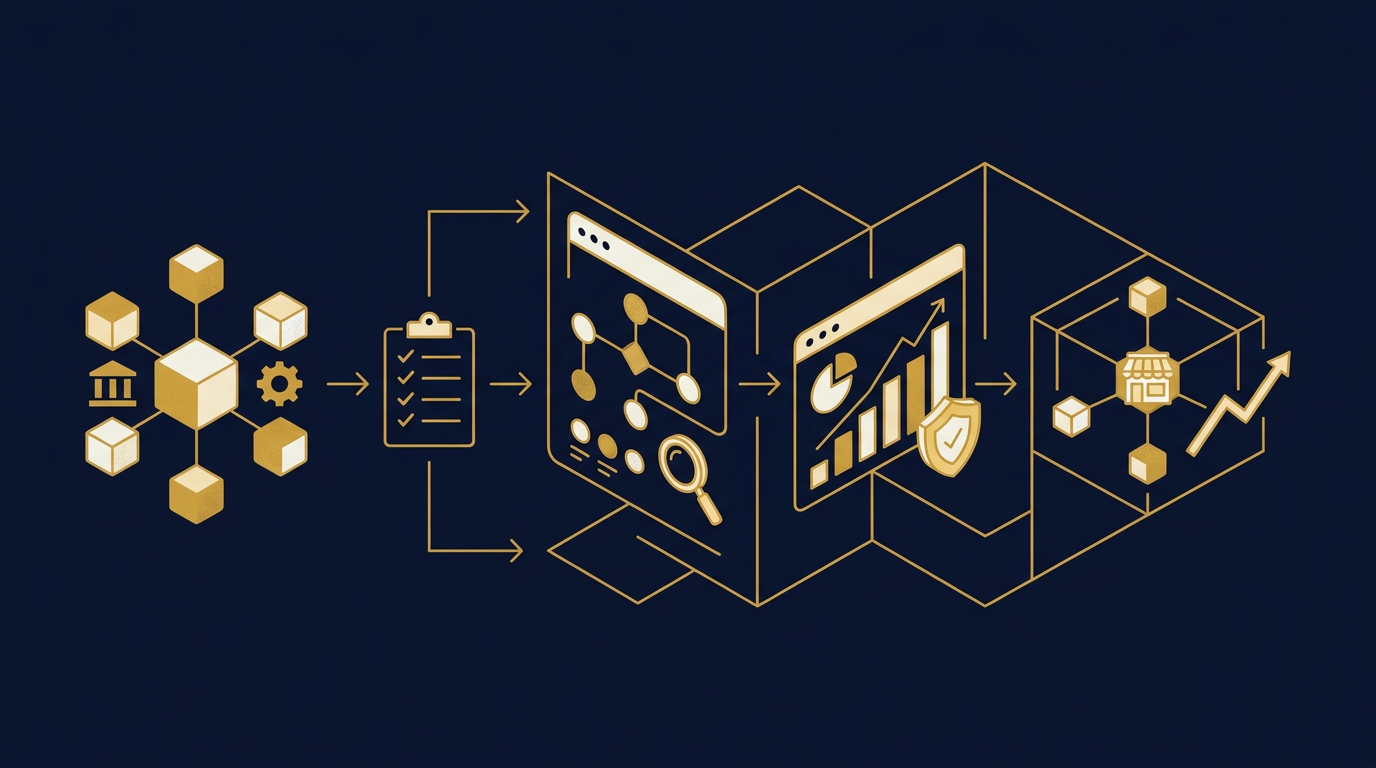
Applying AI strictly as an internal intelligence engine changes the core operating model for sales organizations in Omaha. By shifting AI off the frontline and into back-office deal preparation, operators eliminate hours of manual administration per rep each week. When representatives rely on AI to summarize regulatory requirements, structure complex proposal drafts, and compile account histories, they reclaim valuable selling hours for each representative every week. Reclaiming selling hours per rep each week directly increases the volume of high-value interactions reps can conduct with enterprise buying committees.
This operational shift directly expands team capacity. Sales reps spend fewer hours behind a desk managing research files and more hours in structured discovery, risk review, and solution design with local buyers. To implement this standard across an Omaha sales team, operators should follow three immediate steps:
- Audit current sales operations software and immediately disable all unverified, automated generative AI functions that send direct outreach or proposals to prospective buyers
- Build standardized prompt libraries for internal AI tools, training representatives to use AI for analyzing technical documents, supply chain logistics data, and financial disclosures prior to sales calls
- Establish a mandatory human verification protocol where AI creates initial internal outlines, but sales reps manually write, verify, and approve every client-facing email, proposal response, and contract term
This focused approach aligns sales execution with the operational standards of Omaha's dominant enterprise employers, ensuring technology accelerates revenue without risking customer trust.