

 Fresno, CA · Systems
What do buyers in Fresno, California expect after the first call?
Buyers in Fresno expect a structured written recap within 24 hours that details project costs, operational impacts, and next steps while respecting seasonal agricultural workflows
Buyers in Fresno, California expect a concise written summary that outlines operational costs, project timelines, and immediate next steps within 24 hours of a first call. Generic follow-up templates fail here. Decision-makers in agriculture and food processing, logistics and cold chain, healthcare, education, water technology, and construction do not have time for vague check-in emails. They expect clear documentation that respects their calendar constraints and addresses immediate operational realities.
Documenting Operational Reality Over Tech Trends
After a discovery meeting, your written follow-up must reflect the specific cost drivers discussed. In the San Joaquin Valley, purchasing decisions hinge on water policy, labor expenses, and commodity pricing. A prospect in cold chain logistics or food processing will ignore sales recap emails filled with broad industry jargon.
Instead, summarize the discussion using clear facts and agreed points. State the exact operational friction identified during the call. If a water technology firm or construction company shared concerns about rising labor costs, outline how your solution mitigates that specific pressure. Include a clear breakdown of implementation requirements, direct labor demands, and resource obligations.
Keep the recap structured. Use clear headings for key deliverables, setup steps, and required buyer inputs. Send this recap before the end of the next business day. Prompt delivery demonstrates that your organization respects their operational schedule.
Aligning Follow-Up Cadences with Seasonal Windows
Follow-up workflows in CRM systems must account for agricultural time. In Fresno, spring planting and fall harvest windows are untouchable operational periods. Pushing for contract sign-offs or schedule updates during peak harvest runs alienates buyers in agriculture, food processing, and supporting cold chain operations.
Adjust your CRM stage requirements and task triggers to respect local operational rhythms:
- Mark spring planting and harvest windows directly on prospect account records
- Pause automated follow-up sequences when clients enter heavy operational seasons
- Schedule major pipeline reviews outside peak harvest windows and major seasonal events like the Big Fresno Fair
- Utilize lower-intensity windows, such as the period around the Blossom Trail season or summer during the Fresno Grizzlies baseball season, to advance initial discussions
When a buyer indicates that harvest or active field work is underway, log that constraint immediately. Set your follow-up task for the exact date their operational window closes. Do not send routine checking-in emails during critical operational weeks. Buyers remember reps who honor their schedule and penalize reps who ignore harvest boundaries.
Navigating Committee Handoffs in Local Sectors
First calls in Fresno rarely end with a single decision-maker making an immediate purchase. Organizations in healthcare, education, water technology, and construction rely on cross-functional committees. Your post-call follow-up must equip your primary contact to present your proposal internally without friction.
Provide a clean executive summary document attached to your recap email. This document should detail:
- The specific operational problem stated during the initial meeting
- The proposed solution and implementation timeframe
- The direct impact on labor, water usage, or material overhead
- The total cost structure with no hidden fees or unstated dependencies
When handoffs move from operations managers to finance officers or facility executives, clear documentation prevents scope drift. A primary contact at an educational institution or regional healthcare network needs a single document that answers financial, compliance, and scheduling questions. If your post-call packet requires additional meetings just to clarify basic scope, the deal stalls.
Managing Regional Realities and Event Rhythms
Local operational schedules impact communication cadence. Operations teams and executive leadership participate in community events and industry schedules throughout the year. Accounting for local event cycles like ArtHop, Fresno Grizzlies baseball season games, or the Big Fresno Fair provides context on prospect availability.
Do not attempt to schedule critical multi-stakeholder approval calls on dates that overlap with major regional events or peak harvest operations. When sending meeting requests post-call, offer alternative time slots that accommodate both active site schedules and local operational rhythms.
Standardizing Your Post-Call CRM Workflow
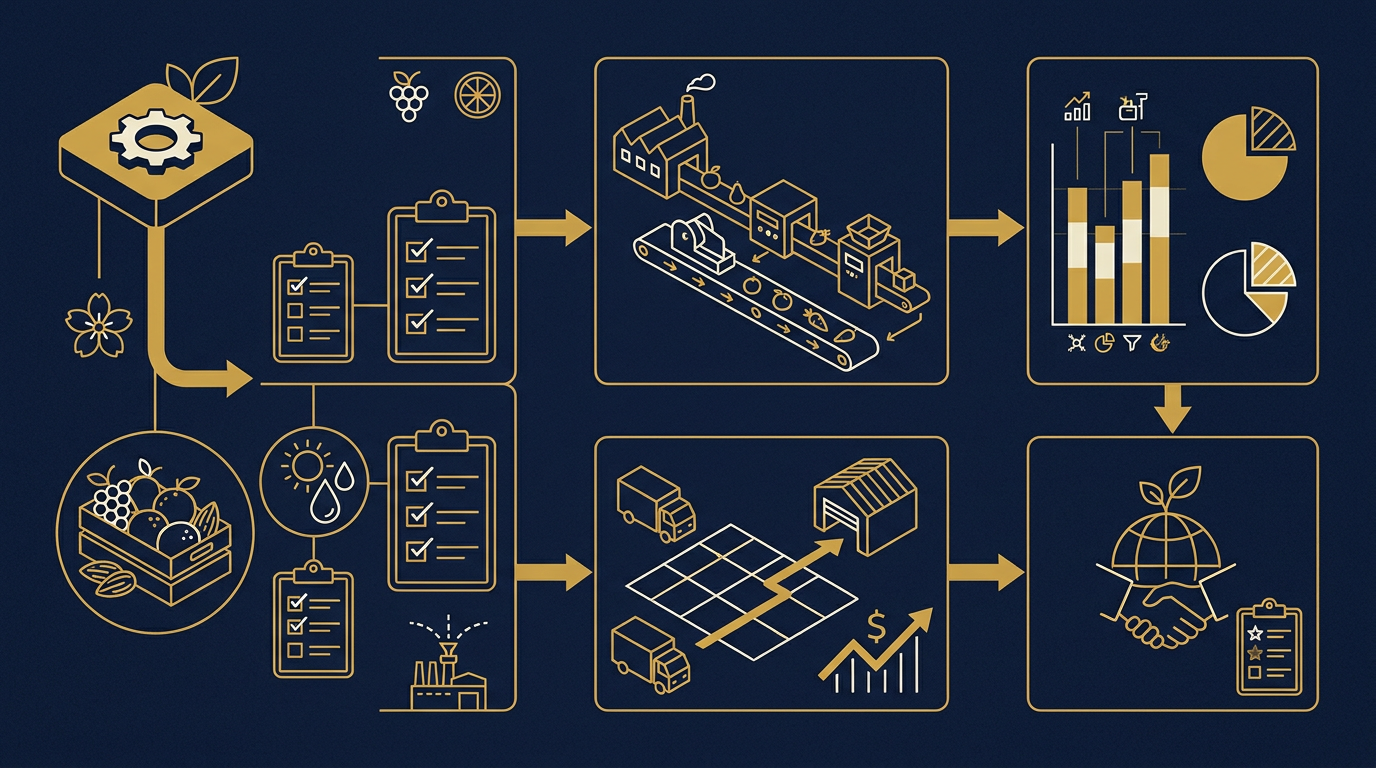
To execute consistent post-call follow-up in Fresno, configure your CRM around local buyer expectations. Build standard operating procedures that enforce accountability across your sales team.
Follow this operational sequence after every initial sales call:
- Log all meeting notes within two hours of call completion
- Record specific operational constraints related to water, labor, or commodity pricing mentioned by the prospect
- Flag any seasonal restrictions, including upcoming harvest or planting commitments
- Draft a tailored written summary detailing the agreed scope, timelines, and required buyer inputs
- Attach a single-page PDF brief designed for internal committee review
- Send the recap to the primary contact within 24 hours
- Set a specific follow-up task in your CRM matched to the agreed next step date
Building these steps into your daily CRM hygiene prevents dropped handoffs, protects your credibility, and maintains deal momentum across Fresno's core industries.