

 Cincinnati, OH · Sales
Why is selling different in Cincinnati, Ohio?
Cincinnati buyers rely on multi-layered committee sign-offs and local operational trust. Winning here requires addressing risk mitigation up front to shorten sales cycles and prevent deals from stalling.
Selling in Cincinnati requires navigating multi-layered corporate committees and addressing strict risk-mitigation standards before a contract is issued. In this market, single-threaded sales pitches to an isolated decision-maker rarely succeed. The presence of major corporate headquarters and regional institutions sets a clear expectation for how local B2B purchasing is conducted. To build a predictable revenue engine in Cincinnati, account executives must build consensus across multiple departments, present clear proof of operational reliability, and leverage regional trust.
Dominant Industries Shape the Local Sales Process
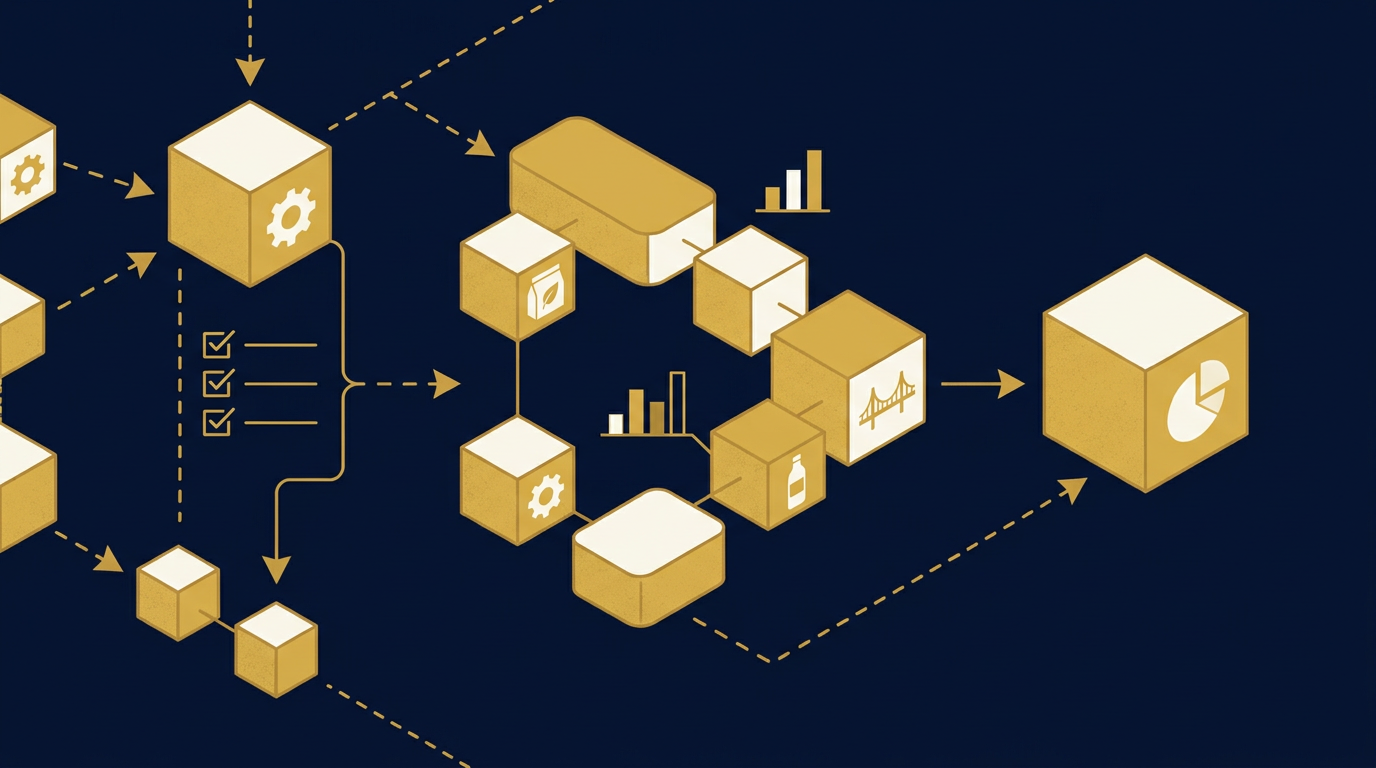
Cincinnati hosts major institutional employers across five main sectors: consumer packaged goods, retail and supply chain, financial services and banking, healthcare and life sciences, and aerospace manufacturing. Industry leaders such as Procter & Gamble, The Kroger Co., Fifth Third Bank, Cincinnati Children's Hospital Medical Center, and GE Aerospace set the operational tone for the entire metropolitan area.
Because these enterprise organizations manage complex supply chains, strict compliance frameworks, and high transaction volumes, their purchasing operations are highly formal. Smaller local suppliers, mid-market businesses, and service providers mirror these corporate procurement strategies. As a result, mid-tier deals in Cincinnati often reflect the governance and review cadences of enterprise contracts.
Sales reps who attempt to close business using fast-close tactics or aggressive deadline pressure run into structural barriers. The buying culture in Cincinnati prioritizes long-term stability and deliberate evaluation over speed. To gain traction, your sales motion must match the cadence of these matrixed organizations.
Navigating Multi-Layered Buying Committees
Purchasing decisions in Cincinnati's corporate and healthcare sectors rarely rest with a single executive. Major accounts utilize multi-layered committee sign-offs involving procurement, legal, IT, finance, and end-user operations.
When you pitch a single champion inside an organization, that champion is rarely empowered to sign off on the contract alone. They must present your proposal to an internal evaluation panel. If your sales process does not equip your champion with specific materials for each committee member, the deal stalls in review.
To keep deals moving forward, sales teams must map the entire committee during the discovery phase. You need to identify and engage stakeholders across every affected division early in the sales cycle:
- Operations managers who evaluate daily implementation impact
- IT security leads who review technical compliance and data safeguards
- Finance officers who evaluate long-term return on investment and risk exposure
- Procurement specialists who manage vendor terms, SLAs, and contract language
Engaging these stakeholders simultaneously prevents late-stage surprises. When every committee member receives tailored data that addresses their specific operational concerns, you prevent deals from stalling inside the buying committee.
Prioritizing Operational Reliability and Risk Mitigation
In a market anchored by retail logistics, financial services, healthcare, and advanced manufacturing, operational downtime carries severe penalties. A failure in supply chain execution or clinical workflow at enterprise scale creates massive friction. Consequently, Cincinnati buyers focus heavily on risk mitigation.
Sales presentations focused entirely on unverified features or generic ROI claims will fall flat. Cincinnati decision-makers want proven evidence of operational reliability. They evaluate vendors on their ability to prevent downtime, maintain compliance, and deliver consistent support over multi-year terms.
To satisfy risk-mitigation requirements, sales teams should integrate operational proof directly into early conversations:
- Provide documentation on technical reliability, security protocols, and compliance history
- Present detailed implementation roadmaps that highlight contingency plans and risk management strategies
- Share operational service level agreements (SLAs) up front rather than leaving them for final contract negotiation
Proactively addressing risk removes the friction that typically slows down legal and security sign-offs. This approach creates a shorter sales cycle, as procurement teams can verify your operational standards without back-and-forth delays.
Leveraging Regional References and Local Presence
Vendor trust in Cincinnati is built through long-term relationship building and regional credibility. Decision-makers in this market are risk-averse when evaluating unfamiliar vendors from outside the region.
Having a local presence or established regional references significantly helps when closing deals with decision-makers. Local buyers want to know that a vendor understands regional operational demands and maintains a proven track record with recognizable regional organizations.
If your company lacks an established local footprint, you must establish trust through your existing regional reference network. Introduce prospective clients to current buyers within the region who can vouch for your service consistency and operational stability. Peer validation from a known regional entity carries more weight with a Cincinnati buying committee than generic national case studies.
By backing up your pitch with strong regional references, you lower the perceived risk of choosing your solution, helping your team sell more effectively across competitive mid-market and enterprise accounts.
What This Changes for Cincinnati Sales Operators
Adapting your sales methodology to the Cincinnati market creates a clear operational advantage: a shorter sales cycle and fewer deals stalling inside the buying committee. When you align your sales cadence with how local committees evaluate and mitigate risk, you remove the common friction points that derail pipeline forecasts.
To execute this strategy in Cincinnati, sales operators should implement three specific actions immediately:
- Mandate multi-threaded discovery on every account. Require reps to map and engage end-user, technical, financial, and procurement stakeholders during the initial stages of the deal.
- Build a localized risk-mitigation kit. Compile compliance documentation, operational reliability metrics, implementation plans, and SLAs into a single package provided early in the evaluation process.
- Activate a regional reference program. Secure explicit permission from current regional clients, particularly those in healthcare, retail, banking, or manufacturing, to connect directly with prospective Cincinnati buying committees.
By taking these steps, your organization aligns directly with Cincinnati buying expectations, protecting pipeline velocity and allowing your team to sell more consistently.