

 Cincinnati, OH · AI
How do buyers in Cincinnati, Ohio react to AI in sales?
Buyers in Cincinnati accept artificial intelligence when it accelerates data retrieval and technical responses, but reject automated outreach that fakes personal relationships or attempts to bypass risk mitigation standards
Buyers in Cincinnati evaluate artificial intelligence based on whether it improves operational responsiveness or introduces risk into purchasing decisions. In a market shaped by a high concentration of Fortune 500 headquarters, expanding healthcare systems, and central Midwestern logistics infrastructure, commercial purchasing relies heavily on multi-layered committee reviews. Local decision-makers expect sellers to present clear evidence of operational reliability, strict risk mitigation, and verified compliance before a deal moves forward.
When artificial intelligence helps a sales team pull technical specifications, organize multi-jurisdictional compliance data, or deliver proposals faster, local buyers view the technology as a sign of operational discipline. When sellers use artificial intelligence to automate generic cold outreach, simulate local familiarity, or replace human account management, they damage trust with executive committees. Knowing where automation helps and where it costs credibility is essential for any sales team operating across the tri-state metro.
Where Automation Earns Approval in Cincinnati
Buyers across Cincinnati's dominant industries, consumer packaged goods, retail and supply chain, financial services and banking, healthcare and life sciences, and aerospace manufacturing, handle complex operational environments. Procurement teams and department heads in these sectors deal with high volumes of vendor data, strict regulatory frameworks, and tight operational timelines.
Automation earns immediate approval when it reduces friction during early technical inquiries. If a procurement officer at an aerospace manufacturer or an administrator within an expanding healthcare system requests compliance records, product safety data, or supply chain schedules, they expect rapid delivery. An account executive who uses AI to pull accurate data from technical databases and compile a structured response within minutes gains a distinct operational advantage. The buyer does not care that software helped aggregate the technical documentation; they value that the vendor responded with precision while competitors were still searching internal systems.
Automation is also effective when navigating the region's complex tax and operational environment. Businesses operating across the tri-state metro face local tax structures, including municipal income taxes that require careful multi-jurisdictional compliance across Ohio, Kentucky, and Indiana. When artificial intelligence helps sales teams organize region-specific tax, pricing, and operational requirements into early proposal drafts, local buyers see a professional, risk-aware partner. The automation works quietly in the background to improve speed and accuracy without compromising the professional standard expected by corporate leaders.
How Unchecked AI Destroys Trust in Committee Reviews
Purchasing decisions in Cincinnati's corporate headquarters and healthcare systems rarely depend on a single executive. Buying committees frequently include legal counsel, risk management officers, finance directors, and operational heads. Vendor trust in this environment is built over time through long-term relationship building, proven operational reliability, and explicit proof of risk mitigation. Having an established local presence or verified regional references significantly helps when closing deals with these decision-makers.
AI quietly costs sales teams trust when representatives use automated tools to fake personal rapport or skip thorough account research. Executive buying committees evaluate vendors for operational stability. If an automated cold email uses synthetic personalization to claim a shared background, misrepresent regional connections, or generate inaccurate product capabilities, committee members immediately flag the vendor as a risk management liability.
In a business community supported by a collaborative civic culture, local executives spot low-effort automated outreach quickly. Generic, AI-generated emails signal that a vendor lacks real industry understanding and is unwilling to invest time in understanding the client's operations. Once a buying committee senses that an account representative is substituting automated templates for authentic account research, the rep loses access to key stakeholders. Simulating human warmth or regional familiarity through software produces the exact opposite of its intended effect: it destroys credibility during the initial risk review.
Disclosing AI Use Without Losing Decision-Makers
Disclosing the use of artificial intelligence to buyers in Cincinnati should focus entirely on quality control, data security, and operational efficiency. Local buyers do not object to modern software tools; they object to unverified outputs, hallucinated claims, and automated misrepresentation.
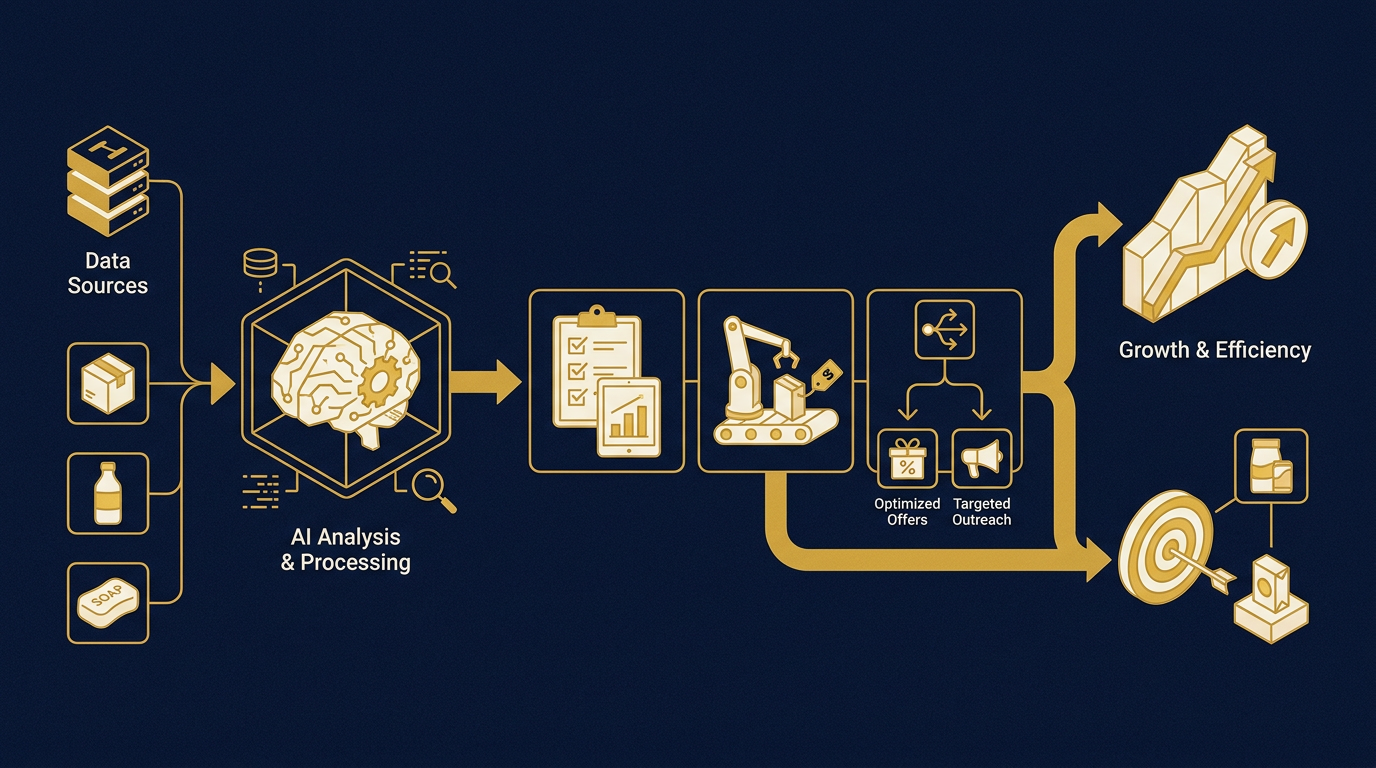
When presenting to multi-layered purchasing committees, frame AI as an internal research engine that supports human accountability. Account executives should follow clear guidelines when disclosing automated tools to buyers:
- Use AI exclusively for backend data aggregation, spec matching, and rapid proposal drafting
- Require human account managers to verify every compliance claim, multi-jurisdictional detail, and performance metric before sending documents to a client
- Never use AI tools to draft synthetic personal notes, fake regional presence, or invent client references
- State clearly in enterprise RFPs that internal automation is used to process technical data quickly while human leaders retain full accountability for execution
When sellers explain that internal automation allows them to deliver accurate information faster while keeping human experts in charge of quality control, committee members accept the disclosure. It positions your organization as a modern, disciplined vendor that respects the buyer's time.
What This Means for Cincinnati Sales Operations
For a business owner or sales leader in Cincinnati, adjusting how your team uses artificial intelligence directly impacts revenue growth. The primary operational objective of sales technology is executing faster follow-up so fewer leads are lost to silence.
When corporate or healthcare inquiries enter your pipeline, the vendor that delivers a complete, accurate response first often sets the evaluation criteria for the rest of the committee. Using AI to aggregate product specs, format multi-jurisdictional details, and prepare preliminary quotes allows your team to respond to inquiries in hours rather than days. This speed prevents momentum from stalling during early evaluation phases, keeping your team in active consideration while competitors draft initial responses.
To apply this approach immediately within your local sales team, execute these three steps:
First, eliminate all AI tools currently used to generate synthetic cold emails or automated social outreach that attempts to fake personal familiarity. Replace them with concise, human-written messages focused on operational reliability and risk mitigation. Second, build a centralized prompt library for your account managers that focuses on technical tasks, such as summarizing complex RFP requirements for healthcare or consumer packaged goods accounts and compiling municipal compliance data. Third, implement a mandatory human verification step where a senior account representative signs off on every proposal, technical spec sheet, and committee-facing document before it leaves your office.
Combining backend AI speed with verified human oversight allows your team to protect buyer trust, satisfy rigorous committee evaluations, and position your firm to sell more enterprise accounts across the regional market.