

 Tucson, AZ · AI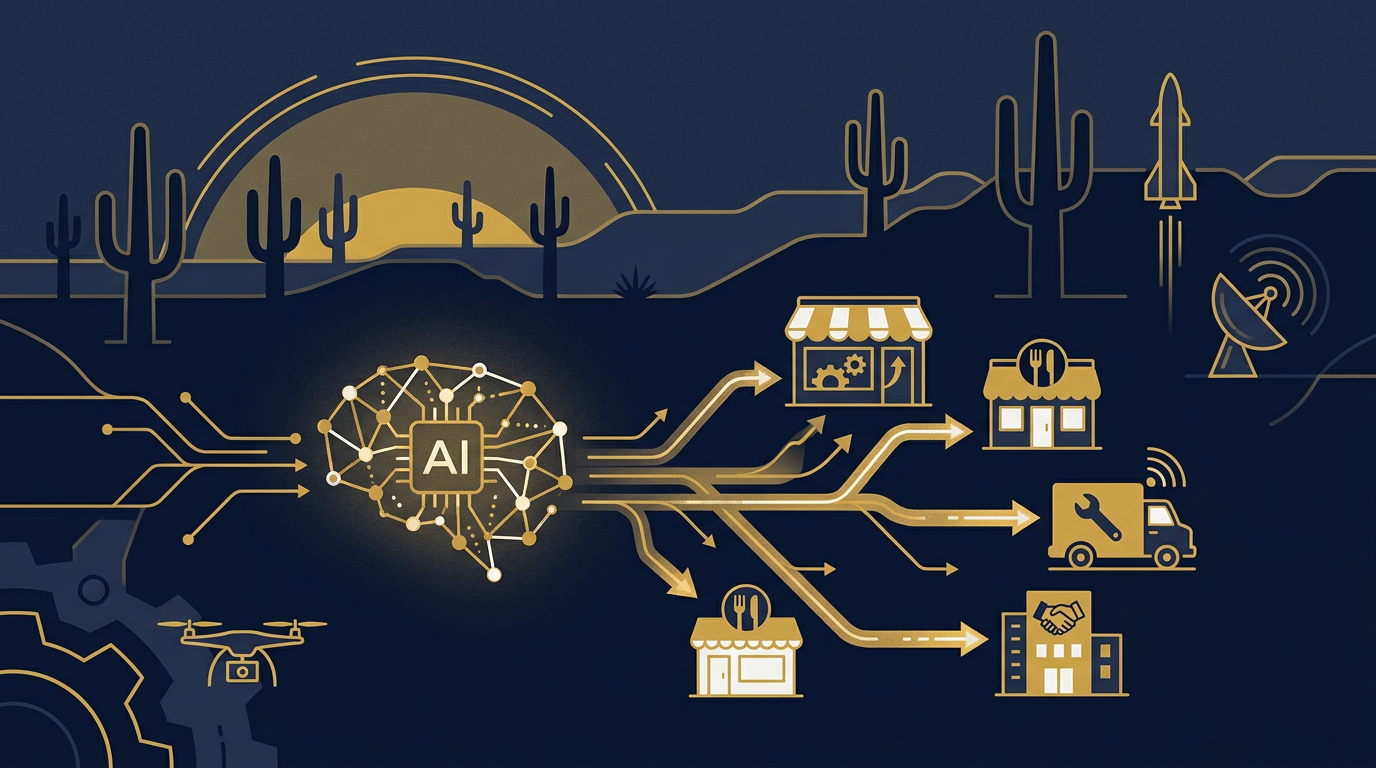
Why is AI adoption different in Tucson, Arizona?
AI adoption in Tucson, Arizona requires deploying tools internally to handle technical research while keeping direct buyer relationships entirely human
AI adoption in Tucson, Arizona is defined by a sharp split between high-security technical sectors and human-centered relationship networks. Commercial buyers in aerospace and defense, optics and photonics, and healthcare and bioscience reject AI tools that attempt to automate direct sales communication. Meanwhile, back-office AI applications that synthesize technical documentation, organize trade requirements, and streamline proposal preparation gain rapid acceptance across local revenue teams.
Security Constraints and Technical Vetting Drive Internal AI Use
Selling to Tucson's primary economic drivers requires navigating strict compliance frameworks and technical evaluations. Organizations like Raytheon Missiles & Defense and Davis-Monthan Air Force Base operate under strict data security protocols. Buyers in these defense installations and defense-adjacent aerospace firms do not engage with automated outreach campaigns. An AI-generated email pitch signals a lack of understanding of defense sector security and buyer risk tolerances.
When sales teams attempt to automate prospect communication with artificial intelligence, trust breaks immediately. Technical buyers treat unverified automated messaging as a security risk or a signal of low vendor capability. Consequently, external-facing AI tools for cold outreach or customer messaging fail across the local aerospace, optics, and bioscience sectors.
The actual value of artificial intelligence in Tucson lies inside the sales organization as an operational preparation engine. Sales representatives selling complex hardware, optics components, or clinical technology face heavy administrative burdens. They spend hours parsing multi-page government proposals, analyzing technical product specifications, and auditing compliance criteria.
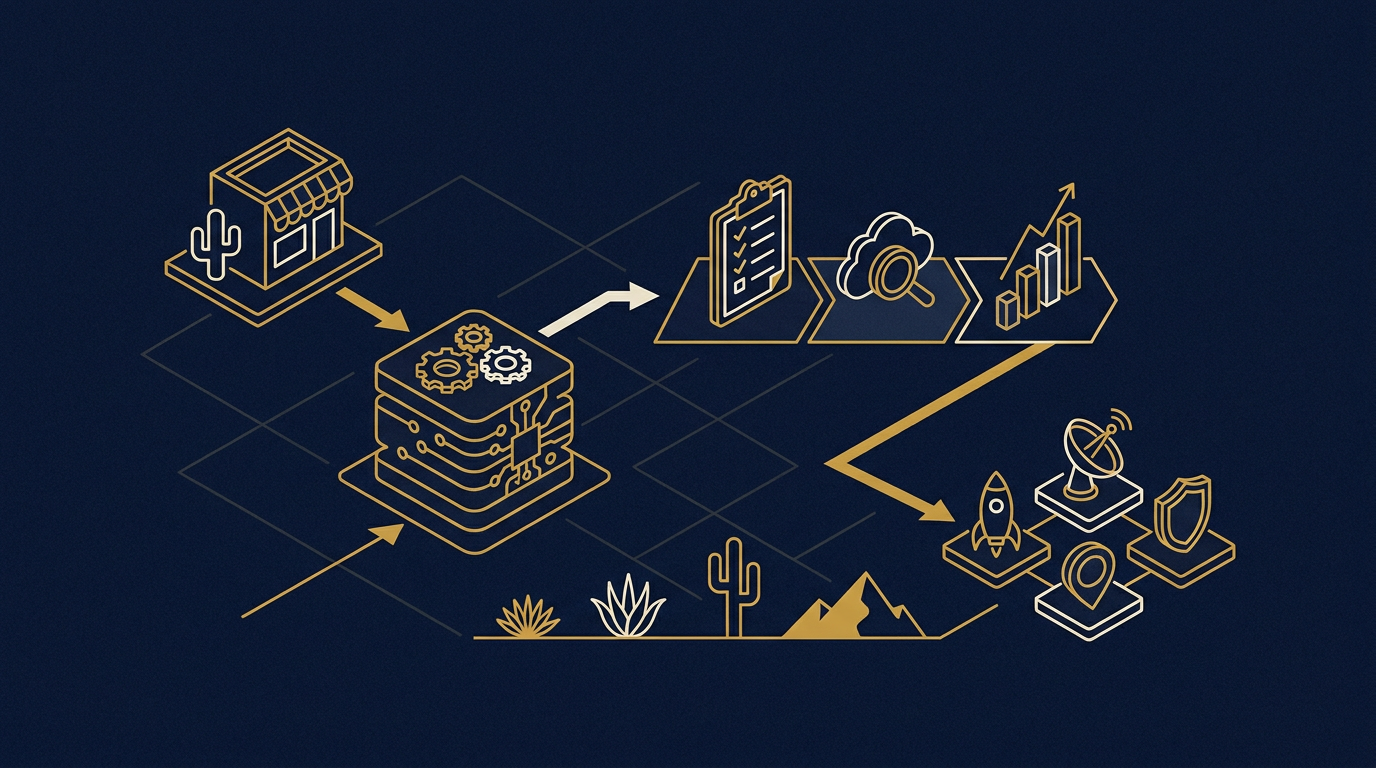
By deploying AI internally to summarize RFP guidelines, flag compliance gaps, and structure bid templates, local teams eliminate hours of administrative drag. The artificial intelligence remains entirely internal, acting as an analyst for the account executive. This internal workflow protects buyer confidentiality while allowing sales reps to enter buyer meetings thoroughly prepared.
Public Institutions and Research Spin-Offs Expect Domain Accuracy
Tucson offers a lower cost of doing business relative to major West Coast markets, making it an attractive hub for tech spin-offs from the local university. Supported by state incentives for technology and manufacturing companies, these optics, photonics, and bioscience ventures are run by founders, engineers, and researchers. Buyers at the University of Arizona and its associated spin-off companies possess deep technical knowledge. They immediately spot hallucinated facts, shallow claims, or standard sales templates generated by basic AI writing tools.
A generic AI prospecting script sent to a chief scientist or engineering manager in optics and photonics destroys credibility. These decision-makers demand specific technical context and clear operational alignment.
Sales organizations succeed when they re-center AI on buyer preparation rather than buyer outreach. Revenue teams can feed public research papers, university tech transfer summaries, and company patent filings into internal AI models. The software generates detailed briefing notes for the rep before the initial discovery conversation.
When account executives use AI as an internal intelligence assistant, they gain deep context on university research projects or commercial spin-off needs without spending hours reading technical manuals. The rep leads the conversation with precision, addressing exact technical requirements while keeping AI hidden from the buyer. This approach restores trust and respects the high standard of domain knowledge required across Tucson's research and technology ecosystem.
Where Frontline Automation Fails in Tourism and Regional Trade
Outside of defense and research, Tucson's economy relies on tourism and hospitality, healthcare services, and cross-border trade connections with Mexico. In these sectors, commercial deals depend on long-term relationships, executive availability, and personal trust.
In the tourism and hospitality sector, resort buyers, event planners, and local operators evaluate partners through direct personal contact. Replacing human account management with automated chatbots or automated email sequences signals an operational withdrawal from the region. Buyers perceive automated frontline communication as a lack of investment in the local market.
Similarly, companies involved in cross-border trade connections with Mexico rely on nuanced negotiation, trust, and clear communication across borders. B2B buyers in logistics, cross-border manufacturing, and regional supply chains expect dedicated human representatives who understand regional customs and trade logistics.
When sales teams deploy generative AI to manage frontline relationships in healthcare systems like Banner - University Medical Center or educational institutions like Tucson Unified School District, communication failures happen quickly. Procurement officers at large regional healthcare and education systems require clear accountability, precise pricing, and direct points of contact.
Internal AI adoption, however, strengthens cross-border and institutional sales operations. Revenue teams use AI tools to process cross-border logistics documents, extract terms from past contract files, and draft complex proposals for institutional purchasing committees. The rep retains full ownership of the relationship, using AI behind the scenes to eliminate paperwork delays and deliver faster, accurate proposals.
Reclaiming Rep Selling Hours in Tucson Sales Operations
To build a high-performing sales operation in Tucson, business leaders must stop treating artificial intelligence as a frontline communication shortcut. Relying on AI to generate prospect outreach, automate buyer interactions, or handle client messaging damages trust across local defense, technical, and institutional markets. The strategic shift requires shifting AI entirely behind the scenes to optimize rep workflow and seller preparation.
The main benefit of this operational model is simple: more selling hours reclaimed per rep each week. When local sales teams shift AI tools away from direct customer messaging and toward internal deal preparation, account executives spend significantly less time on manual research, proposal formatting, and administrative prep. Those reclaimed hours translate directly into high-value buyer interactions, allowing reps to conduct deeper discovery, attend more face-to-face meetings, and navigate complex buyer committees effectively.
To execute this transition and sell more across Tucson's distinct industry mix, sales leaders should take three immediate operational steps:
- Audit current software deployments and ban the use of generative AI for direct prospect emails, cold outreach, and automated client-facing messaging
- Deploy internal AI tools exclusively for account intelligence, technical research synthesis, RFP auditing, and meeting preparation across defense, optics, and institutional target accounts
- Restructure rep calendars around the time saved, requiring account executives to reallocate internal administrative hours into direct, face-to-face client discovery and executive relationship building
By enforcing these boundaries, revenue teams in Tucson protect buyer trust, raise rep productivity, and position their organizations to sell more in a highly technical and relationship-driven market.