

 Phoenix, AZ · AI
How do buyers in Phoenix, Arizona react to AI in sales?
Phoenix buyers accept AI that accelerates proposal delivery and territory management across submarkets, but they penalize teams using automated tools for generic outreach
Buyer Reactions to AI in Sales Across Phoenix
Commercial buyers in Phoenix do not fear artificial intelligence. They evaluate it based on operational utility. The Valley is divided into two dozen submarkets. Because physical distance and territory logistics directly impact account management, local executives want to know if a vendor can execute across the entire footprint. When sellers use artificial intelligence to optimize logistics, process high-volume quote data, or analyze multi-location operations, buyers view the technology as an operational asset.
The reaction changes when sellers use artificial intelligence to generate low-effort, automated sales pitches. Buyers in dominant regional sectors, such as semiconductors and advanced manufacturing, aerospace and defense, healthcare and bioscience, construction and real estate, financial and insurance back offices, and tourism and hospitality, expect technical precision and real commercial commitment. An automated email sequence that ignores regional industry realities signals that a representative lacks local understanding.
In Phoenix, buying activity accelerates sharply between October and April. During this window, executives in tourism and hospitality manage high winter volumes, while leaders in construction and real estate finalize project allocations before summer heat slows field work. Sales teams that flood inboxes with generic AI drafts during peak season get blocked. Valley buyers value efficiency, but they penalize automation that wastes time during their most active purchasing months.
Where Automation Drives Value for Local Sales Teams
Artificial intelligence creates direct selling advantages when configured to handle repetitive administrative tasks and geographic data management. Valley account managers often struggle with territory coverage across two dozen submarkets. AI tools help sales teams map trip density, identify regional buyer clusters, and plan field schedules efficiently.
Automating administrative tasks allows reps to maintain higher touchpoints where human interaction matters most. Here are four areas where AI improves sales performance without harming buyer trust:
- Synthesizing bid requirements for large-scale construction and real estate development projects,
- Analyzing complex vendor guidelines for aerospace and defense or semiconductor manufacturing accounts,
- Processing seasonal inventory and service demands for tourism and hospitality operators ahead of the winter season, and
- Routing customer support tickets and back-office financial inquiries to maintain fast response times
During the intense October through April buying surge, speed to proposal decides many transactions. AI models that quickly convert customer specifications into accurate commercial quotes allow reps to respond before competitors. Buyers welcome this application because it delivers concrete answers faster.
Where Automation Quietly Costs You Local Trust
Automation costs trust when it replaces direct account knowledge with generic content generation. Phoenix buyers quickly spot synthetic outreach. When an automated sequence references general Sunbelt growth without acknowledging specific submarket challenges, the prospect immediately disconnects.
The summer slowdown creates another trust trap. From May through September, key decision-makers across healthcare, bioscience, and financial back offices adjust their operational hours and vacation schedules. Unfiltered automated workflows that continue high-frequency email cadences throughout summer reveal an automated system operating without human oversight. Buyers interpret this as indifference.
In aerospace and defense or advanced manufacturing, sales conversations involve strict compliance, detailed technical specifications, and multi-tier approval committees. When an account executive uses AI to generate technical answers without verifying facts, errors surface quickly. A single inaccurate specification generated by an unverified AI prompt can end a corporate evaluation immediately.
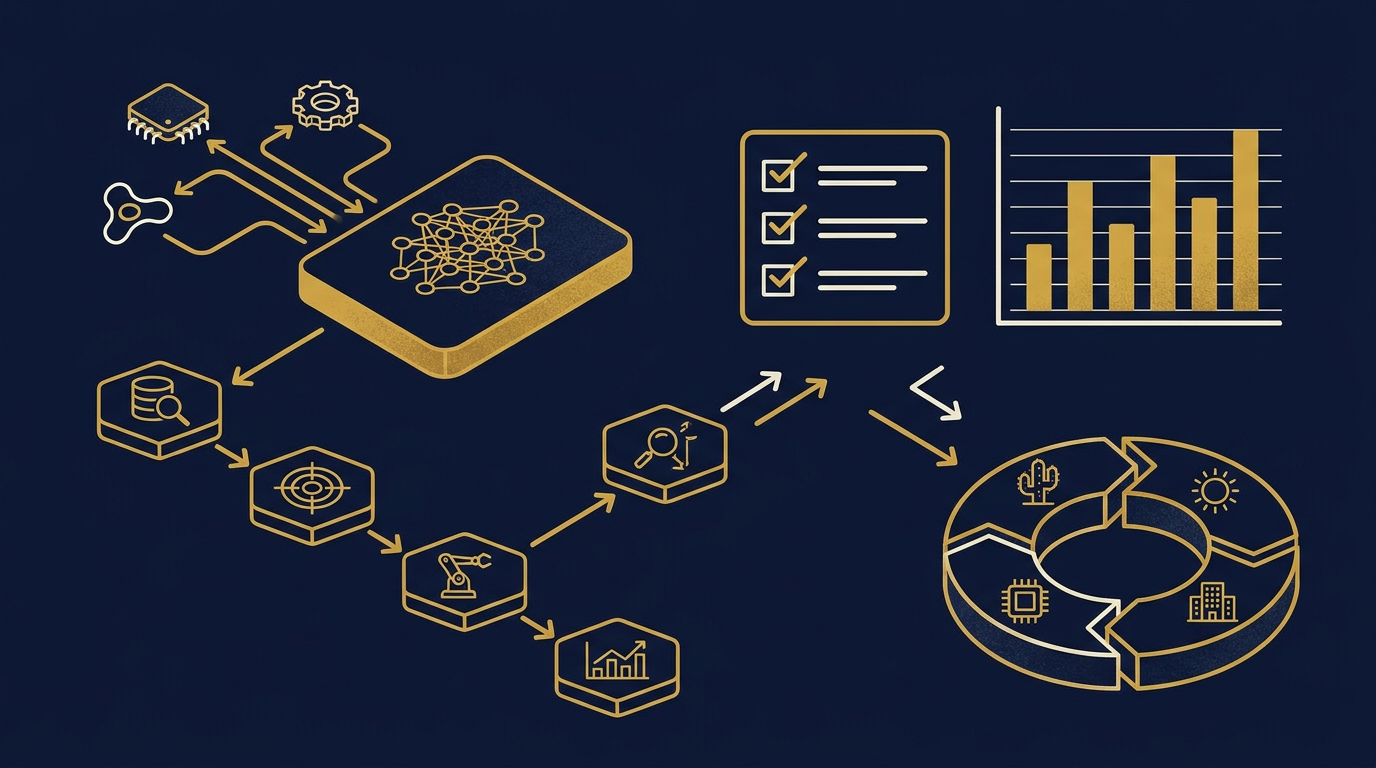
How to Disclose AI Use Without Losing Deals
Hiding AI usage creates unnecessary risk. Disclosing AI usage requires a direct, confident approach that frames technology as a service accelerator. Buyers respect transparency when it demonstrates a commitment to accuracy and speed.
When presenting custom quotes, complex market assessments, or territorial service plans, state clearly how technology supported the work. Explain that AI handled data collation so the account team could focus on custom configuration and service delivery.
Use direct statements during sales meetings:
- "We used automated data synthesis to process your multi-site location requirements quickly."
- "Our account team leverages AI scheduling and route planning so we can commit to rapid field support across your submarkets."
- "We run initial bid specs through diagnostic models to ensure technical parameters match your facilities before review."
Framed this way, AI usage reinforces operational capacity. It proves your firm invests in systems that protect the buyer's time.
Execution Plan for Phoenix Sales Teams
To implement AI effectively in Phoenix, restructure your sales workflows around regional buying rhythms and submarket realities.
First, audit your existing automated email tools today. Pause all generic outreach sequences scheduled to run during summer low-activity periods. Reconfigure your scheduling software to respect the October through April peak season, ensuring that automated touchpoints contain explicit account details rather than broad statements.
Second, deploy AI for internal territory mapping and bid analysis rather than buyer-facing draft generation. Use machine learning models to analyze geographic density across your two dozen local submarkets. Ensure your field reps spend less time driving and more time sitting across from prospects in key industrial centers.
Third, create a mandatory human-in-the-loop review for every proposal delivered to aerospace and defense, semiconductor, healthcare, and construction clients. Every technical document, pricing sheet, and proposal draft generated with AI assistance must be audited by a senior sales engineer or account manager before delivery. Establish clear internal guidelines for disclosing AI usage upfront whenever data automation speeds up proposal delivery.