

 Nashville, TN · AI
Why is AI adoption different in Nashville, Tennessee?
AI adoption in Nashville differs because enterprise buyers in healthcare, corporate headquarters, and manufacturing reject automated outreach. Teams succeed when using AI for internal deal preparation rather than client messaging.
AI adoption in Nashville, Tennessee differs from other commercial hubs because of the sharp contrast between how enterprise purchasing gets done and how local business relationships are built. Nashville combines massive institutional employers in healthcare management, higher education, corporate administration, and automotive manufacturing with high-touch sectors like music and entertainment production and tourism. Generative AI tools that replace direct human interaction fail in this environment. Enterprise buyers at major headquarters such as HCA Healthcare, Bridgestone Americas, Nissan North America, and Amazon, as well as institutional anchors like Vanderbilt University and Medical Center, expect high-context commercial interactions. When local sales teams attempt to automate buyer-facing emails, pitch drafting, or outreach, local decision-makers recognize the generic pattern immediately and step away.
Conversely, Nashville's business environment is defined by continuous commercial development, rapid economic growth, and corporate relocations driven by Tennessee's favorable tax climate and the lack of state personal income tax on wages. This growth creates crowded administrative schedules for internal revenue teams. Companies that deploy AI to handle internal research, proposal parsing, and cross-departmental coordination reclaim capacity without eroding client trust. AI adoption in Nashville succeeds when revenue organizations use software to clean up internal workflows, rather than attempting to automate direct buyer conversations.
High-Touch Markets Reject Automated Outbound Outreach
In music and entertainment production, tourism and hospitality, and healthcare services, commercial momentum relies on personal credibility, executive networking, and professional trust. Software designed to blast synthetic sales cadences across the Middle Tennessee market creates an immediate barrier between vendors and buyers.
In healthcare management, higher education, and administrative services, purchasing decisions pass through complex oversight committees. When a sales organization sends AI-generated outreach to procurement leaders at HCA Healthcare or Vanderbilt University and Medical Center, the absence of local nuance is obvious. Synthetic emails lack the operational awareness required to engage buying teams in automotive manufacturing at Nissan North America or logistics and corporate operations at Amazon and Bridgestone Americas.
Deploying generative software for outward customer communication damages commercial trust in three distinct ways:
- Cold prospecting cadences: Outbound messages generated by AI language models sound formulaic, signaling to local corporate headquarters that the vendor did not invest time to understand their operating model
- Proposal generation without oversight: Drafts generated by AI tools without manual review frequently introduce errors regarding institutional compliance, vendor requirements, and regional administrative structures
- Automated relationship updates: Sending generic, computer-generated check-ins to executives in healthcare, higher education, or state government demonstrates a lack of genuine commitment to the account
When buyers realize an outreach sequence is automated, they discount the vendor's commitment. In a market built on long-term corporate relationships and high visibility, that loss of trust is difficult to recover.
Deploying AI for Internal Revenue Intelligence
While buyer-facing automation damages credibility, back-office AI integration provides strong operational leverage. Commercial teams selling across healthcare management, automotive manufacturing, logistics, and higher education navigate extended sales cycles. Preparing for discussions with enterprise buyers requires evaluating organizational structures, studying procurement requirements, and reviewing past account activity.
When revenue teams deploy AI tools internally, representatives spend significantly less time manually sorting data, updating CRM fields, and formatting account briefs. Before entering a meeting with corporate executives or public-sector buyers at the State of Tennessee, a representative can use internal AI engines to analyze past meeting transcripts, highlight outstanding compliance items, and map key internal stakeholders.
This back-office strategy protects market reputation while improving efficiency. By redirecting AI away from prospect communication and toward deal preparation, sales reps gain back valuable calendar space. The primary objective is straightforward: preserve direct human engagement for client conversations while letting software absorb the administrative work.
Navigating Corporate Headquarters and Public-Private Ecosystems
Nashville continues to attract corporate headquarters and regional administrative offices. Tennessee's business climate, supported by manageable operating costs relative to coastal metros and strong public-private partnerships, encourages ongoing corporate expansion. However, selling into these corporate headquarters requires navigating structured procurement processes.
Whether targeting enterprise employers, state government agencies, or expanding corporate offices, sales representatives must arrive fully prepared. Buying committees expect precise answers, detailed operational context, and clear integration plans.
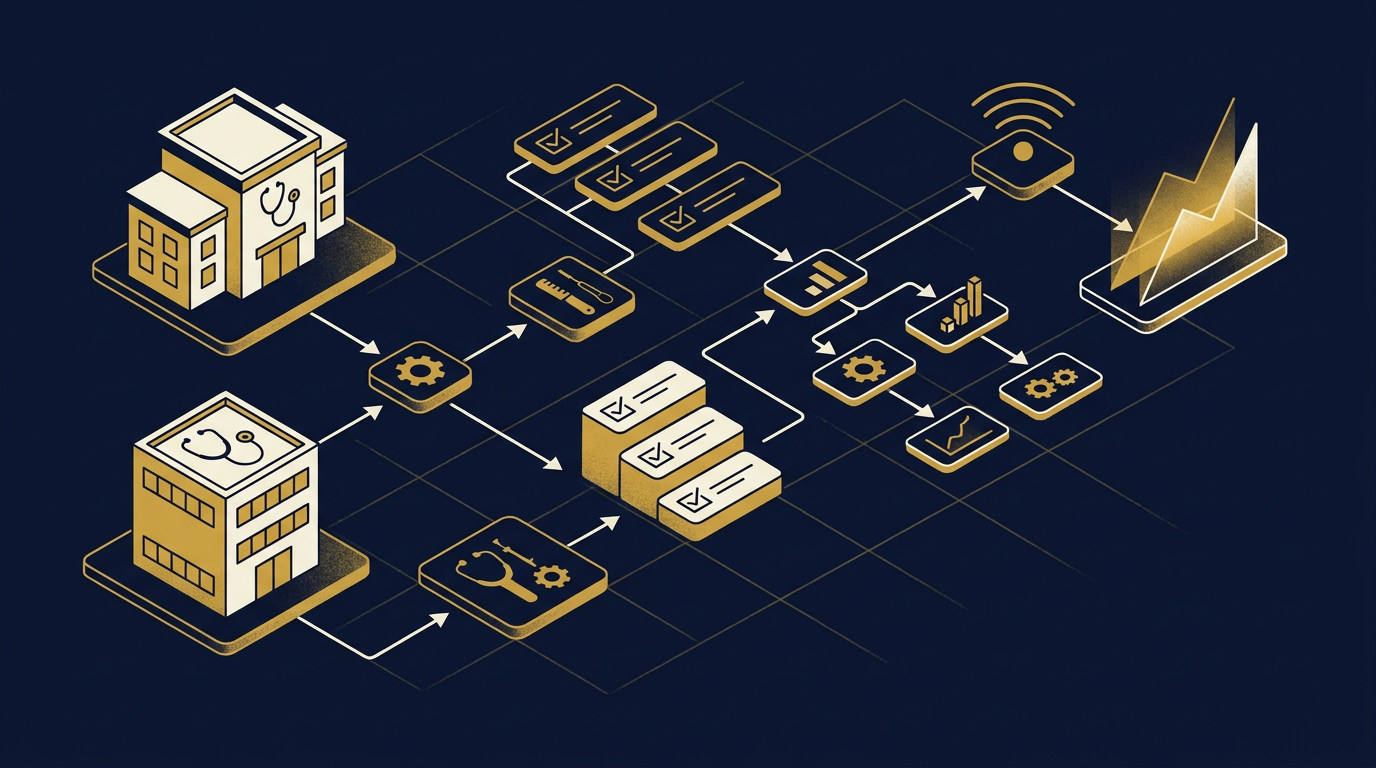
AI strengthens internal sales performance within these environments through three administrative functions:
- Account intelligence synthesis: Internal software models process corporate reports, industry press, and account histories to brief representatives prior to high-stakes buyer interactions
- RFx document parsing: Complex proposals for healthcare systems, automotive manufacturers, or higher education institutions often stretch across dozens of pages. AI tools extract key operational constraints and compliance terms for rapid internal review.
- Meeting summary and task routing: Automated transcription tools document internal strategy sessions, action items, and follow-up assignments, ensuring deal terms move forward without manual delays
Handling these administrative tasks through internal software gives sales representatives more time to engage directly with prospects.
Reclaiming Selling Hours in the Nashville Market
Adopting AI successfully in Nashville requires commercial leaders to prioritize operational leverage over mass automation. The goal of AI deployment in this market is not to substitute for authentic sales outreach or to flood local inboxes with automated messages. The real value lies in the number of selling hours reclaimed per rep each week through the elimination of administrative overhead.
When representatives spend less time formatting internal briefings, organizing CRM records, and parsing procurement documents, they can spend more time sitting across the table from enterprise buyers at corporate headquarters, healthcare networks, and manufacturing facilities across the region.
To implement this model, an operator in Nashville should execute three immediate steps:
First, conduct a clear audit of your revenue team's software tools and establish a firm rule against using AI for direct, unreviewed customer communication. Reserve AI tools strictly for internal research, data processing, and back-office documentation.
Second, establish standardized internal prompts for account research aligned with local sectors, including healthcare management, automotive manufacturing, higher education, corporate services, and state government operations. Require representatives to use these tools to prepare thoroughly for committee conversations rather than attempting to automate outreach.
Third, track sales performance by monitoring the number of direct, high-context conversations completed each week alongside the reduction in administrative prep hours. Reinvesting those recovered hours into direct account engagement allows your team to expand market coverage while protecting client trust.