

 Louisville, KY · AI
Why is AI adoption different in Louisville, Kentucky?
In Louisville, Kentucky, successful AI adoption requires using tools internally to reclaim rep time while protecting buyer trust across risk-sensitive sectors like healthcare, logistics, and manufacturing
The Local Economy Demands Internal Intelligence Over Automation
Artificial intelligence adoption in Louisville, Kentucky follows a distinct rule: technology must streamline back-office preparation, not replace human relationships in the sales process. Louisville sits at a major intersection of healthcare, freight logistics, supply chain management, manufacturing, and spirits production. Employers like United Parcel Service (UPS), Humana, Norton Healthcare, Ford Motor Company, GE Appliances, and the University of Louisville operate in high-stakes environments where operational errors disrupt physical supply chains, compliance frameworks, or patient care.
In these sectors, enterprise buyers value operational precision and personal accountability. When a commercial team uses generative artificial intelligence to produce automated cold outreach, generic pitch emails, or synthetic voice messages, prospective clients spot it quickly. In a regional market built around long-term trust and robust transport infrastructure, automated frontline communication signals low effort. Buyers in distribution, advanced manufacturing, and healthcare administrative services ignore vendors that rely on automated shortcuts.
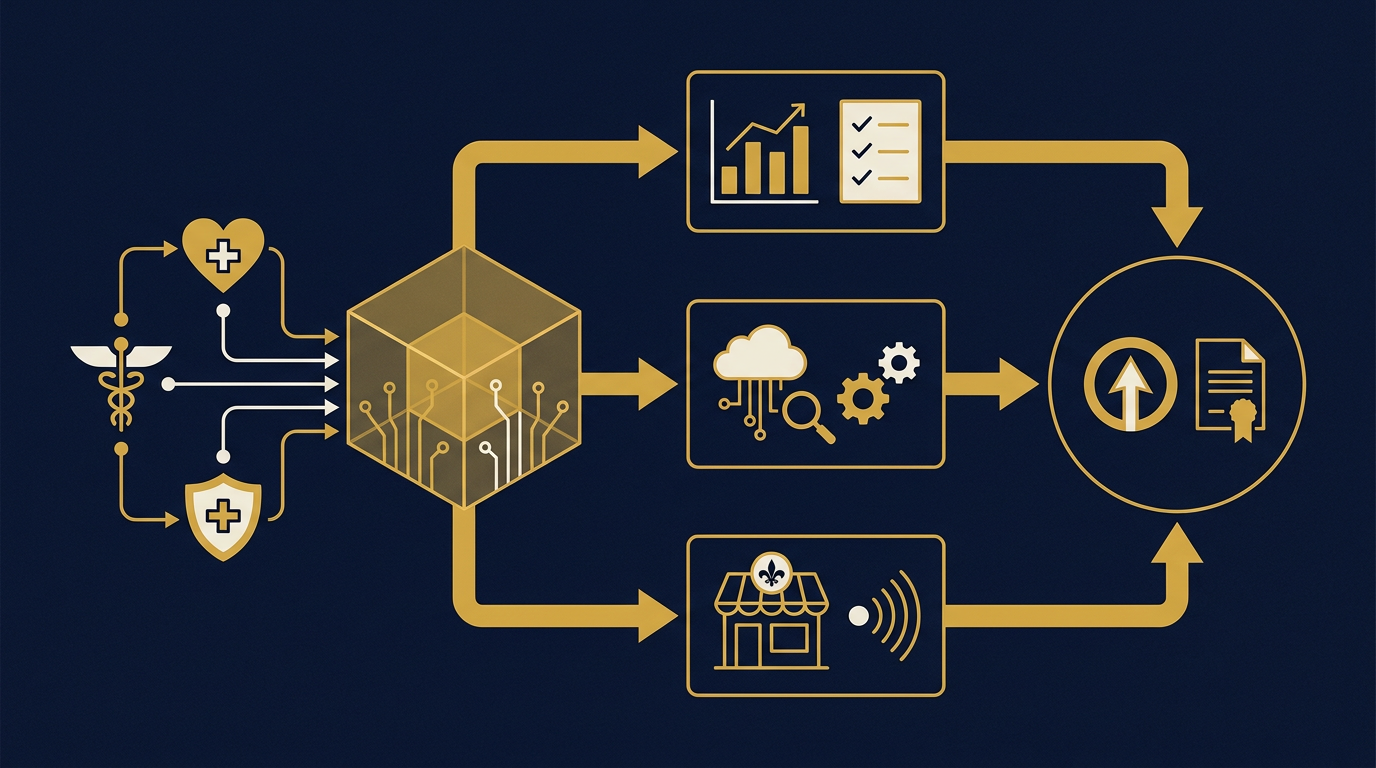
AI succeeds in Louisville when sales organizations deploy it as an internal intelligence tool. Local account executives manage complex, multi-stakeholder deals across corporate administrative services and industrial plants. Using artificial intelligence behind the scenes to summarize contract terms, analyze buyer logistics requirements, and build custom meeting briefs allows sellers to present precise, hyper-relevant solutions. Shifting artificial intelligence away from external messaging and toward internal research protects client trust while improving the operational velocity of the sales team.
Reclaiming Selling Hours in Complex Supply Chain and Healthcare Deals
The primary benefit of artificial intelligence for revenue organizations in Louisville is administrative efficiency. Sales representatives in this market spend hours each week navigating dense procurement forms, drafting detailed proposals, and researching cross-departmental buying units inside major employers like Norton Healthcare or GE Appliances. Manual research across healthcare networks, logistics facilities, and manufacturing plants consumes time that reps should spend directly with buyers.
By implementing internal artificial intelligence workflows, revenue leaders eliminate administrative drag. Representatives use internal language models to parse long requests for proposals, extract key requirements from technical specifications, and compile preliminary account research before discovery calls. This internal workflow restructuring reclaims hours of selling time for each representative every week.
When sales reps spend less time formatting deal documents or searching for internal product documentation, they spend more time engaging decision-makers across advanced manufacturing, logistics innovation, and corporate services. The operational gain does not come from sending more low-quality messages. It comes from freeing up sales capacity so reps can hold thoughtful conversations with procurement officers, plant managers, and health plan administrators. Reclaiming those lost administrative hours per rep each week allows sales teams to build deeper relationships and cover their territories with greater focus.
Where Buyer-Facing AI Fails in Louisville Industries
Certain industries in Louisville reject buyer-facing artificial intelligence immediately. Understanding where automated communication destroys trust is critical for any commercial team operating in Kentucky.
In spirits production and bourbon distilling, brand heritage, product quality, and long-standing regional relationships drive commercial partnerships. Buying decisions depend on trust established through direct human contact. Automated sales pitches sent to master distillers, facility operators, or beverage distributors demonstrate a fundamental misunderstanding of industry culture.
In healthcare and health insurance, such as enterprise accounts around Humana or Norton Healthcare, regulatory compliance and data privacy are paramount. Using unverified artificial intelligence tools to draft client communications or handle technical inquiries risks introducing false information or exposing confidential operational details. Enterprise purchasing teams penalize vendors that show poor data control.
In automotive and appliance manufacturing, as well as freight logistics, operational managers prioritize risk mitigation and physical capacity. Leaders at facilities connected to Ford Motor Company or UPS evaluate suppliers based on real-world reliability, central geographic location advantages, and physical transport capacity. Generic AI-generated claims about efficiency fail under close inspection by experienced plant managers and logistics directors.
To protect client relationships in Louisville, commercial teams must avoid specific high-risk AI applications:
- Automated cold email outreach campaigns targeting regional healthcare, manufacturing, or supply chain leaders
- Unmonitored conversational chatbots handling complex customer service or technical sales inquiries
- AI-generated proposals containing unverified client details, operational claims, or regulatory assumptions
- Synthetic voice or automated phone agents contacting business owners, facility managers, or corporate administrators
Replacing these risky frontline tactics with strict internal applications keeps artificial intelligence working where it belongs: behind the scenes preparing the representative to show up informed and professional.
Building an Internal AI Capability for Louisville Sales Operations
To execute an AI strategy that builds trust while driving revenue, local commercial leaders must establish clear boundaries for software usage. Sales representatives need targeted prompts, verified data inputs, and precise boundaries that govern how tools are used during the sales cycle.
When preparing for a meeting with a regional freight logistics provider or an advanced manufacturing firm, reps should use internal AI tools to review public company filings, synthesize recent supply chain announcements, and map out potential operational bottlenecks. The representative then reviews and verifies this output before entering the meeting. This process ensures the seller speaks the client's language, understands their operational reality, and presents real solutions without relying on generic scripts.
Sales enablement teams should also build internal prompt libraries tailored to local industry verticals. For instance, a prompt template can help a representative convert complex product specs into a concise executive summary tailored for a healthcare procurement committee or a manufacturing plant director. The seller maintains complete control over the final document, ensuring accuracy, proper tone, and alignment with local business expectations.
What AI Adoption Changes for Louisville Revenue Operators
Adopting artificial intelligence in Louisville requires changing the core metric of success from outreach volume to representative selling hours reclaimed per rep each week. Trying to scale direct buyer communications through automated generative tools erodes trust across the city's manufacturing, healthcare, and logistics sectors. Moving artificial intelligence entirely behind the scenes converts administrative work into high-value prospect interaction.
To implement this model effectively, a Louisville revenue operator should execute three immediate steps:
- Audit the sales team's weekly schedule to identify high-friction administrative tasks, focusing on RFP response drafting, account research, and procurement document preparation across primary sectors like healthcare, logistics, and manufacturing
- Establish a clear policy that prohibits outward-facing generative automation in prospect outreach, requiring mandatory human review for every external email, pitch deck, contract response, and customer communication
- Deploy standardized internal prompt templates for core administrative functions, allowing reps to quickly summarize account details, digest technical specifications, and prepare personalized meeting briefs before speaking with buyers
By restructuring AI usage as a back-office acceleration engine, revenue organizations protect their market reputation, improve deal preparation, and reclaim valuable selling hours each week.