

 Lincoln, NE · Systems
What do buyers in Lincoln, Nebraska expect after the first call?
Buyers in Lincoln expect a structured written recap immediately after a first call. Decision-makers require practical efficiency claims, clear financial stability, and committee-ready documentation.
Committee-Ready Recaps for Institutional Decision-Makers
Buyers across Lincoln expect a clear, structured recap immediately following an initial discovery call. In a market where major purchasing decisions sit with state agencies, public education systems, and major hospitals, your primary point of contact is rarely the sole decision-maker. These institutional accounts rely heavily on committee consensus and formal request-for-proposal processes. A quick thank-you email or informal phone check-in does not move the deal forward.
Decision-makers need a document that can be forwarded directly to evaluation committees, finance directors, and legal leads. The recap must isolate the core operational requirements, quantify practical efficiency gains, and present straightforward value propositions. If your written communication requires your contact to re-explain your offer, the buying process stalls. Presenting structured, plain-language documentation allows your contact to validate your firm's operational capability during internal reviews.
Your post-call document must outline four essential elements:
- The explicit operational problems identified during the first call
- The exact scope of work designed to solve those friction points
- The financial terms, pricing structure, and evidence of clear financial stability
- The concrete timeline for formal proposal submittals and review milestones
Verifying Local Service Commitments and Financial Stability
Buyers in Lincoln evaluate prospective vendors through long-term risk reduction. After the first meeting, buyers inspect your operational backbone to verify that your business can fulfill its promises. This verification is critical in sectors like financial services and fintech, alongside aviation services and manufacturing, where unscheduled downtime or missed compliance guidelines lead to immediate revenue losses.
Vendor trust in this region is built through demonstrated reliability, verified financial stability, and binding local service commitments. Your post-call documentation must answer the operational questions buyers ask behind closed doors. They want to know who manages the contract post-sale, how quickly technical support arrives on-site, and whether your organization has the capital backing to sustain multi-year agreements.
Avoid marketing fluff and abstract promises. Provide direct statements detailing your local service infrastructure. Specify dedicated account contacts, escalation pathways, and guaranteed service level response times. When a local buyer sees clear financial stability and local support guarantees documented upfront, vendor risk drops, and committee approval moves faster.
Aligning CRM Workflows with Institutional Seasonality
Follow-up velocity requires aligning your internal CRM schedules with Lincoln's local operational calendars. Decision-makers across state government, public administration, higher education, research, and commercial sectors balance their procurement cycles against major civic events and sports traditions.
Attempting to schedule critical committee follow-up meetings or deliver contract recaps during major city-wide disruptions leads to unread messages and missed decision windows. Your post-call outreach timing must account for these key calendar events:
- Nebraska Cornhusker home football game days redirect civic attention and disrupt executive availability on Friday afternoons and weekends
- The Lincoln Marathon closes key transit routes across central commercial corridors and shifts administrative availability
- The Nebraska State High School Basketball Championships bring heavy regional traffic and draw educational and public administrators away from normal schedules
- Uncle Sam Jam creates mid-summer schedule adjustments across municipal services and local business operations
Configure your sales pipeline stages to respect these dates. If a first call occurs immediately prior to a major event window, establish agreed follow-up dates that allow stakeholders to finish committee reviews without calendar conflicts.
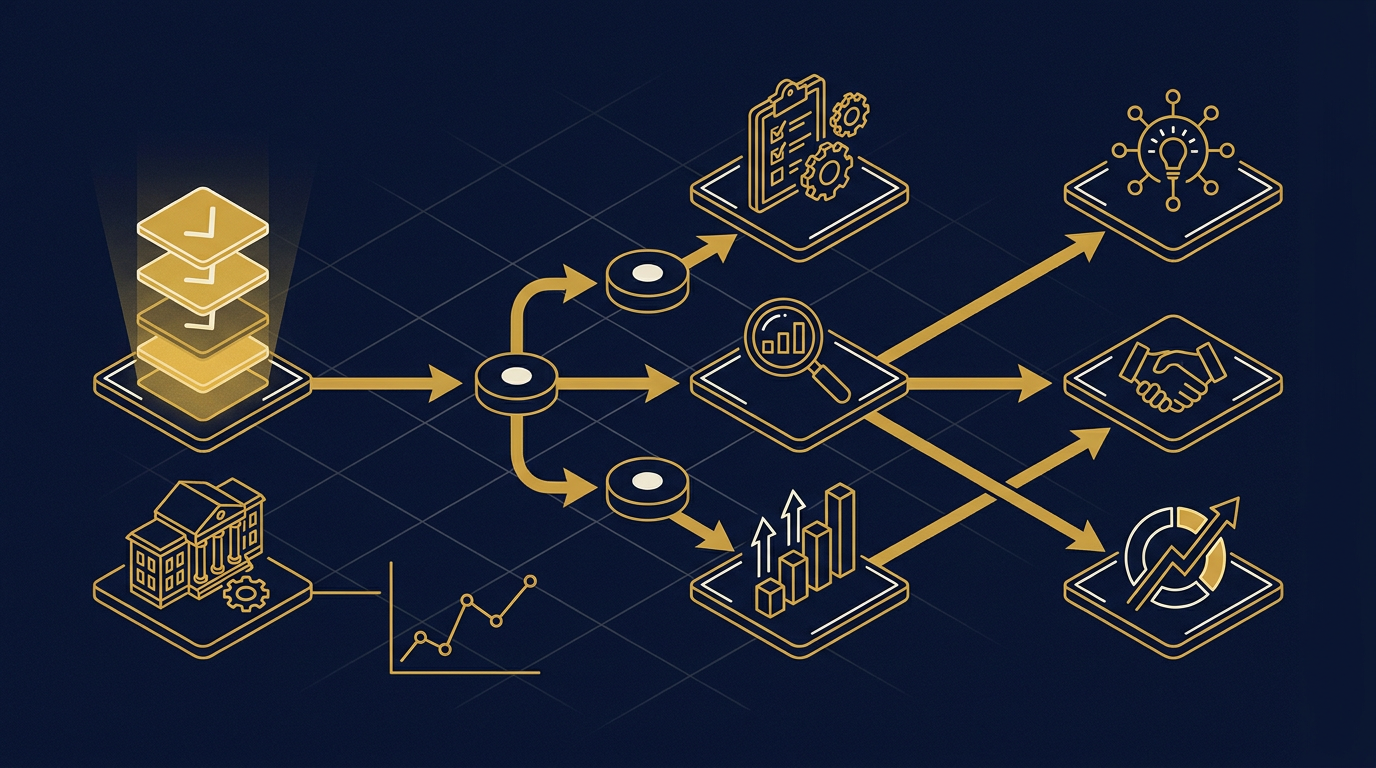
Direct Communication and Structured CRM Handoffs
Buyers in Lincoln value direct communication and straightforward execution over polished sales tactics. When a representative promises to send pricing models, technical specification sheets, or implementation timelines, the buyer expects those assets on or before the stated deadline. Late follow-up signals poor operational control.
Log every requirement, objection, and technical constraint raised during the call into your CRM immediately. Build a standardized post-call sequence to enforce speed and accuracy:
- Send a full written summary within four business hours of completing the initial call
- Attach complete technical documentation, service level terms, and evidence of financial stability directly to the recap message
- Clearly outline the next physical step, including designated responsibilities for both your team and the prospective buyer
- Set automated CRM reminders to track committee review progress without sending aggressive sales inquiries
A failure in post-call administrative execution is viewed as a preview of your customer service. Maintaining rigorous CRM habits ensures your team delivers accurate documentation every time, reinforcing vendor trust across every stakeholder on the committee.
Driving Repeat and Referral Revenue in Lincoln
Adhering to strict post-call standards directly drives repeat purchases and referral opportunities from your existing client base. In a market where buying networks across state government, higher education, healthcare, financial services, and aviation are closely connected, operational reputation spreads quickly.
When an organization delivers committee-ready recaps, maintains clear financial stability, and honors local service commitments, buyers return for repeat contract renewals. Satisfied purchasing leads routinely introduce reliable vendors to peer departments, sister facilities, and external commercial networks. This referral mechanism generates predictable pipeline growth and long-term customer retention, allowing your sales team to lower acquisition costs and sell more efficiently over time.
To capture this revenue advantage in Lincoln, implement three immediate operational changes: First, convert your post-call recap templates into structured, committee-ready summary briefs that highlight practical efficiency and financial stability. Second, adjust your CRM workflow triggers to pause automated outreach during major local event days, ensuring follow-ups arrive when decision-makers are active in their offices. Third, establish a mandatory sales-to-account-management handoff process that verifies all local service commitments made during the discovery call are documented, tracked, and fulfilled.