

 Des Moines, IA · Sales
Why is selling different in Des Moines, Iowa?
Selling in Des Moines requires navigating risk-averse, committee-driven procurement shaped by major insurance, financial, healthcare, and agtech enterprises
Enterprise Risk Mitigation Shapes Purchasing Decisions
Selling in Des Moines, Iowa requires navigating a commercial ecosystem dominated by institutional risk management. The local economy relies heavily on insurance and financial services, agriculture and agtech, healthcare and biosciences, logistics and distribution, and advanced manufacturing. Major enterprise employers such as Principal Financial Group, Wells Fargo, UnityPoint Health, MercyOne, and Corteva Agriscience establish the standards for vendor evaluation across the region.
In this environment, buyers prioritize risk prevention over aggressive growth promises. The prominent role of the insurance and healthcare sectors means that corporate procurement departments scrutinize every prospective vendor through a lens of regulatory compliance, operational stability, and long-term liability. Pitching features or speed to implementation before proving compliance stalls sales conversations.
Sales representatives moving into this market must restructure their presentation sequence. Instead of opening with standard return-on-investment spreadsheets, successful reps open with compliance capabilities, risk mitigation frameworks, and system reliability. Proving that your solution meets strict corporate governance standards removes early friction with risk management teams.
Purchasing Committees Require Multi-Layered Consensus
Single-contact selling does not work in Des Moines. Due to the concentration of financial services, healthcare networks, and global agtech operations, purchasing decisions are committee-driven. An account executive may establish strong rapport with a department head, but that individual rarely holds sole purchasing authority.
Commercial deals require sign-off from cross-functional committees. These committees typically consist of operational leaders, risk management officers, legal counsel, information technology directors, and procurement managers. Each stakeholder evaluates a vendor against specific criteria:
- Risk and compliance officers evaluate regulatory alignment, data privacy, and legal liability
- Department managers evaluate operational fit, adoption speed, and daily workflow impact
- Finance and procurement leaders evaluate long-term value propositions, pricing stability, and vendor longevity
A rep who engages only the primary operational contact creates an internal bottleneck. When that contact takes the proposal to the buying committee, they often fail to answer technical questions regarding compliance or data security. The deal then stalls in committee review. Account executives must identify all committee members during early discovery and engage each stakeholder directly with targeted information.
Local Trust Depends on Personal Relationships and Regional Proof
Direct engagement and personal professional relationships play a critical role in procurement decisions across Des Moines. The business culture values sustained professional networks, direct communication, and local accountability. Cold outreach tactics that rely on automated sequences or aggressive pitch tactics produce poor results.
However, personal relationships alone do not close deals in this market. While a warm introduction or an established professional relationship secures the initial conversation, institutional buyers still require rigorous proof before signing a contract. Vendor trust is established through a combination of personal credibility, verified compliance capabilities, and strong regional references.
When presenting to logistics and distribution firms, advanced manufacturing plants, or regional healthcare systems, reps must present concrete proof of performance. Local buyers want to know which regional peers currently rely on your solution. They look for clear documentation showing that your company maintains stable operations, understands regional business demands, and offers reliable ongoing support. Presenting strong regional references eliminates buyer anxiety and validates your credibility.
Aligning Pipeline Governance with Institutional Planning
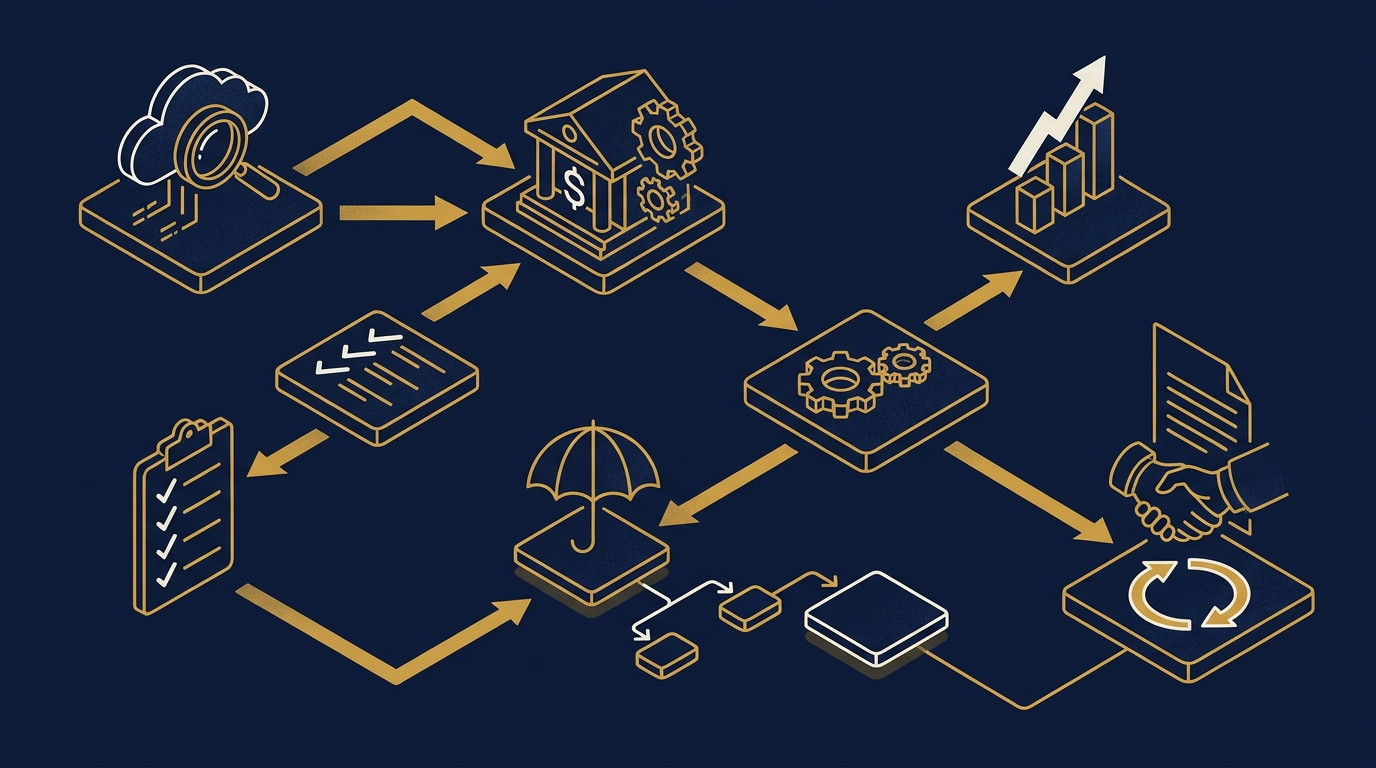
Because top regional employers like Principal Financial Group, Wells Fargo, and Corteva Agriscience operate with strict corporate oversight, their purchasing schedules follow deliberate planning cycles. Similarly, healthcare operators like UnityPoint Health and MercyOne manage complex fiscal budgets that require long lead times for capital expenditure approval.
Sales teams that rely on end-of-quarter discounting or pressure tactics damage their reputation in Des Moines. Institutional buyers view sudden price cuts as a sign of financial instability or inflated initial margins. Instead of forcing artificial urgency, sales reps must align their pipeline milestones with the buyer's internal governance model.
To maintain steady deal momentum:
- Map out the buyer's internal budget review calendar during initial qualification
- Supply compliance, legal, and security documentation early in the evaluation process
- Coordinate review sessions directly with the buyer's legal and risk teams to address questions proactively
- Frame all financial terms around long-term value propositions rather than short-term price concessions
This structured approach matches the expectations of local procurement departments and keeps prospective deals moving steadily through review pipelines.
How This Approach Shortens Cycles and Drives Des Moines Revenue
When a sales team aligns its strategy with how buying actually happens in Des Moines, the clear operational result is a shorter sales cycle and fewer deals stalling inside the buying committee. In a market governed by insurance, financial services, healthcare, and agtech leaders, deals do not get stuck because buyers lack funding. They stall because unaddressed risk concerns trigger security holds, legal reviews, and endless committee revisions. Proactively addressing compliance and engaging every committee member eliminates these internal bottlenecks.
To adapt your sales process and sell more effectively in Des Moines, take these immediate operational steps:
First, build a dedicated risk and compliance discovery packet. Before scheduling enterprise presentations for major local employers, assemble your SOC reports, regulatory certifications, data security protocols, and verified regional references into a clear vendor verification packet.
Second, mandate committee mapping in your initial discovery calls. Require sales reps to identify the specific representatives from legal, risk management, procurement, and IT security before submitting a formal proposal. Do not allow reps to submit pricing until all committee members are engaged.
Third, replace standard discount-driven closing tactics with clear, long-term value models. Frame every proposal around long-term operational stability, risk reduction, and predictable ongoing support.